

Office Furniture Manufacturers in Noida: Explore Top Manufacturers, Modern Office Designs, Affordable Prices and Buying Ti
Choosing the right furniture is an important step in creating a comfortable, organized, and productive workplace. From ergonomic chairs and modern workstations to executive desks and conference tables, well-designed furniture can improve employee comfort and make better use of available space. Businesses in Noida have a range of options for furnishing startups, corporate offices, coworking spaces, and commercial establishments.
Before purchasing, buyers should compare product quality, customization options, material specifications, delivery timelines, and after-sales support. Understanding these factors helps businesses make informed purchasing decisions while balancing design, durability, and budget.
Modular Office Furniture Manufacturers: Designs and Benefits
Modular furniture is a practical choice for modern workplaces because its components can be configured to suit different office layouts. Businesses can select furniture according to team size, available floor space, and operational requirements.
Common modular office furniture options include:
-
Modular workstations: Suitable for IT companies, customer support teams, and shared workspaces.
-
Executive desks: Designed for managers, directors, and private offices.
-
Conference tables: Available in different shapes and sizes for meetings and presentations.
-
Reception desks: Help create a professional first impression for visitors.
-
Storage cabinets: Keep files, stationery, and office equipment organized.
-
Ergonomic chairs: Support comfortable seating during extended working hours.
When comparing modular office furniture manufacturers, ask whether they provide customized dimensions, layout planning, installation, and future expansion options. Modular systems can be especially useful for growing businesses that expect changes in employee numbers or office arrangements.
Another advantage is visual consistency. Matching desk finishes, storage units, and seating can create a coordinated workplace without requiring every item to be identical.
Benren Office Systems Office Furniture Manufacturers: What Buyers Should Evaluate
When researching Benren Office Systems or any other named supplier, buyers should independently verify the company's current product range, business details, manufacturing capabilities, and service coverage before placing an order. Avoid relying on a company name alone when evaluating suitability.
A reliable supplier should be able to explain its product specifications, materials, customization process, and estimated delivery schedule. Request photographs of completed projects or arrange a showroom visit if possible.
Consider these factors when comparing suppliers:
-
Product range: Check whether the supplier offers workstations, executive furniture, chairs, and storage solutions.
-
Manufacturing capability: Determine whether products are manufactured in-house or sourced from third parties.
-
Customization: Confirm whether dimensions, colours, finishes, and layouts can be adapted to your office.
-
Warranty and service: Review the written warranty, installation arrangements, and repair support.
-
Customer references: Where available, review genuine customer feedback and completed commercial projects.
For businesses comparing suppliers, the Business Insider Company business directory can serve as a starting point for discovering business listings and exploring relevant company information.
Office Furniture Manufacturers India: Materials, Quality and Price Factors
Furniture quality depends heavily on the materials used, construction methods, hardware, and finishing. Buyers should examine these specifications instead of choosing products based only on appearance or the lowest quotation.
Common furniture materials
-
Engineered wood: Frequently used for desks, cabinets, and workstations because it supports a range of finishes and price points.
-
Solid wood: Offers a distinctive appearance but may require a higher budget and suitable maintenance.
-
Metal: Commonly used for workstation frames, chair bases, and storage structures.
-
Laminates: Provide decorative finishes and help protect surfaces from everyday wear.
-
Glass: Often used for selected desk surfaces and contemporary meeting-room furniture.
What determines office furniture prices?
The cost of office furniture varies according to size, material grade, design complexity, hardware, order quantity, transportation, and installation requirements. Custom-made furniture may cost more initially but can provide a better fit for unusual layouts.
When comparing quotations from office furniture manufacturers in Noida, request itemized pricing rather than accepting a single combined figure. Ask whether taxes, delivery, installation, electrical accessories, and any additional site work are included.
Compare quotations using the same specifications. A cheaper desk may use thinner boards or different hardware, making a direct price comparison misleading.
Office Modular Furniture Manufacturers: Customization and Buying Options
Businesses with limited space may benefit from modular workstations, wall-mounted storage, compact desks, and carefully planned circulation areas. Larger offices may require collaborative workstations, private cabins, meeting tables, and dedicated storage zones.
The right design should reflect how employees work. For example, teams that frequently collaborate may prefer open workstations, while departments handling confidential information may need greater privacy and acoustic separation.
Before finalizing an order, measure the office accurately and consider doorways, electrical outlets, lighting, air-conditioning units, and walking routes. Ask the supplier for a layout or furniture plan before production begins.
Businesses searching for office furniture manufacturers in Noida can use a directory listing as an initial research step before contacting suitable suppliers and requesting detailed quotations.
How to Choose Affordable Office Furniture
Affordable furniture should deliver value over its useful life, not simply the lowest initial price. Consider the following purchasing tips:
-
Establish a budget for furniture, delivery, installation, and accessories.
-
Prioritize ergonomic seating and frequently used work surfaces.
-
Compare material thickness, edge finishing, and hardware quality.
-
Ask about bulk-order pricing for larger projects.
-
Check production and delivery timelines before confirming an order.
-
Review warranty conditions and after-sales service arrangements.
-
Confirm all measurements, finishes, and quantities in writing.
Buying multiple items from one supplier may simplify coordination, but obtain a clear breakdown of costs and responsibilities before committing.
Essential Questions to Ask Before Ordering Office Furniture
Use this checklist when evaluating office furniture suppliers:
-
Can you provide a written quotation with complete specifications?
-
Are customization and installation included in the price?
-
What is the expected production and delivery timeline?
-
Which materials and hardware will be used?
-
What warranty applies to the furniture?
-
Can you provide references or examples of similar projects?
-
What happens if an item arrives damaged or does not match the approved specifications?
Getting these answers in writing can reduce misunderstandings and make supplier comparisons more straightforward.
Conclusion
Selecting the right office furniture requires a balance of comfort, functionality, design, durability, and cost. By understanding material options, comparing detailed quotations, and checking supplier credentials, businesses can create workspaces that support productivity and future growth.
Whether you are furnishing a small startup, upgrading a corporate office, or planning a large commercial workspace, take time to evaluate your requirements before making a final decision.
Ready to Find the Right Office Furniture Supplier?
Explore the office furniture manufacturers in Noida listed on Business Insider Company, compare available options, and contact suitable businesses for product details and customized quotations. Make an informed choice that fits your workspace, design preferences, and budget.

How to Organise Digital Files and Folders for Work and Life
How to Organise Digital Files and Folders for Work and Life
Digital clutter can become as stressful as a messy desk. When documents, photos, invoices, screenshots, downloads and work files are scattered across devices, simple tasks take longer than they should. You may waste time searching for an old file, download the same document twice or forget which version is final.
A good file system does not need to be complicated. It only needs to be clear enough that you can save something quickly and find it again later.
This guide explains how to organise digital files and folders for work, personal records and everyday use.
Start With One Main Folder Structure
Create a few broad folders first. Avoid making dozens of categories before you need them.
A practical starting structure could be:
- Work
- Business
- Personal
- Finance
- Photos and Videos
- Learning
- Downloads to Sort
- Archive
Inside each main folder, create smaller folders only when they serve a real purpose.
For example, inside Business you might have:
- Sales
- Suppliers
- Product Photos
- Marketing
- Accounts
- Customer Records
- Legal Documents
- Reports
The goal is to make the first decision easy: where does this file belong?
Use Names That Explain the File
A file name such as final.pdf, image1.jpg or new document.docx becomes confusing after a few weeks.
Use a simple naming format:
YYYY-MM-DD - Topic - Version
Examples:
2026-10-26 - Monthly Sales Report - Final.xlsx2026-10-26 - Product Catalogue - Version 2.pdf2026-10-26 - Supplier Payment Record.pdf2026-10-26 - Family Travel Photos.zip
Dates help you sort files automatically. Clear topics make search easier. Version numbers prevent confusion when a file changes.
Separate Current Work From Archive Files
A clean workspace is easier to manage when you keep only active work visible.
Create an Archive folder for:
- Completed projects
- Old catalogues
- Past invoices
- Previous reports
- Older creatives
- Closed customer matters
- Expired documents
Move completed files to archive at the end of a project or month. Do not delete important records just to make the folder look clean.
At BusinessInsiderCompany.com, simple organisation systems work best when they separate current action from information you may need later.
Keep Downloads Under Control
The Downloads folder is often the biggest source of digital clutter. Treat it as a temporary holding area, not permanent storage.
Once or twice a week:
- Delete files you no longer need
- Move important files to the correct folder
- Rename unclear files
- Remove duplicate downloads
- Empty old installer files or temporary documents
This small habit prevents one folder from becoming impossible to search.
Create a Clear Photo and Video System
Photos and videos can consume a lot of storage and become difficult to find quickly.
Organise them by year, month or event.
For example:
- Photos
- 2026
- January
- Family Events
- Business Products
- Travel
- 2026
For product images, use product code folders or catalogue folders. This makes it easier to retrieve the right image when a customer asks for details.
Avoid saving the same image in multiple random folders. Use one main location and create copies only when genuinely needed.
Use Consistent Folder Names
Choose one naming style and use it everywhere.
For example:
2026 - Accounts2026 - Marketing2026 - Product Catalogues2026 - Customer Orders
Consistency makes search faster because you know what words to look for. Avoid changing between names like “accounts,” “finance,” “payment files” and “money” for the same type of document.
Protect Important Files With Backups
Important work, financial and personal files should not exist in only one place.
Consider keeping backup copies through:
- A secure cloud-storage service
- External hard drive
- Encrypted backup device
- Secondary work system, if appropriate
For sensitive records, use strong passwords and avoid sharing open links publicly. Backups are useful only if they are updated regularly, so set a repeating reminder to review them.
Avoid Duplicate File Chaos
Duplicates can create uncertainty about which file is correct. Before saving a new version, check whether the file already exists.
Use simple version labels:
- Draft
- Reviewed
- Final
- Final Approved
- Archived
Avoid names like final-final-new2.pdf. Clear versions save time and reduce accidental edits.
Make Search Easier With Keywords
Use useful words in folder names and file names.
For example, instead of invoice 7.pdf, use:
2026-10 - Courier Invoice - Supplier Name.pdf
Instead of photo 22.jpg, use:
Product Code 214 - Front View.jpg
The more meaningful the name, the less time you spend opening files to see what they are.
Create a Weekly Fifteen-Minute Reset
Digital organisation does not need a full-day clean-up. A short weekly reset is enough.
Use fifteen minutes to:
- Sort downloads
- Rename new files
- Move completed work to archive
- Check desktop clutter
- Back up important documents
- Delete obvious duplicates
- Review one folder that is becoming messy
Small maintenance prevents a large clean-up later.
Avoid Common File Organisation Mistakes
Avoid:
- Saving everything on the desktop
- Using vague names
- Keeping old downloads forever
- Creating too many folders
- Storing the same file in many places
- Never backing up documents
- Mixing personal and business records
- Deleting records without checking their importance
FAQs.
What is the best way to name digital files?
Use a date, clear topic and version label, such as 2026-10-26 - Sales Report - Final.xlsx.
How many folders should I create?
Start with a few broad folders. Add subfolders only when they make files easier to find.
Should I keep files on my desktop?
Use the desktop only for current short-term work. Move important files into their correct folders regularly.
How often should I organise digital files?
A short weekly review and a deeper monthly archive check are usually enough.
Where should I store important backups?
Use a secure cloud-storage service, external drive or another reliable backup location. Keep sensitive files protected.
A simple folder system saves time, reduces stress and keeps important information easy to find when you need it. Visit BusinessInsiderCompany.com for more practical guides on organising work, digital life and everyday productivity.

Corporate Gift Items: Best Gift Ideas for Employees, Clients, and Business Partners at Wholesale Prices
Choosing the right corporate gift items is an effective way for businesses to appreciate employees, strengthen client relationships, and build lasting partnerships. Corporate gifts are commonly used during festivals, annual meetings, product launches, conferences, employee recognition programs, and special business occasions.
From customized stationery and premium office accessories to wooden gift sets and branded merchandise, companies have many options to suit different budgets and business requirements. Selecting useful, attractive, and high-quality gifts can help create a positive impression and make recipients feel valued.
Businesses purchasing gifts in bulk should consider product quality, customization options, packaging, delivery timelines, and overall cost before placing an order.
Corporate Gift Items List
A well-planned corporate gift items list helps businesses compare products and select suitable gifts for different recipients. The best choice depends on the occasion, budget, company branding, and preferences of employees or clients.
Popular corporate gifting options include:
-
Office stationery: Notebooks, diaries, pens, planners, and desk organizers.
-
Technology accessories: Wireless chargers, USB drives, power banks, and laptop accessories.
-
Drinkware: Insulated bottles, travel mugs, and customized coffee cups.
-
Gift hampers: Chocolates, dry fruits, packaged treats, and premium gift combinations.
-
Lifestyle products: Wallets, travel accessories, reusable bags, and organizers.
-
Eco-friendly gifts: Bamboo products, reusable bottles, and sustainable stationery.
When preparing a corporate gift items list, businesses should separate products by price range and recipient category. Affordable stationery may work well for large events, while premium hampers or personalized accessories may be more appropriate for important clients and business partners.
A useful gift that recipients can incorporate into their daily routines often provides more lasting value than a decorative product with limited practical use.
Unique Corporate Gift Items
Businesses looking to stand out can explore unique corporate gift items that combine practicality, personalization, and attractive presentation. Customized products can make gifting more memorable while helping companies communicate their brand identity.
Some creative options include personalized notebooks, engraved pens, premium desk accessories, customized travel kits, branded merchandise, and carefully curated gift boxes. Companies can also create themed gift sets for new employees, employee milestones, annual celebrations, and client appreciation events.
For example, a welcome kit containing a notebook, water bottle, pen, and personalized greeting card can provide a thoughtful introduction for new employees.
Businesses can also explore useful gift items for home when selecting practical lifestyle products that recipients can enjoy outside the workplace.
The key is to match the gift to the audience. A technology company might choose useful electronic accessories, while a company with an environmentally conscious brand identity might prefer reusable or sustainably sourced products.
Wooden Corporate Gift Items
Wooden corporate gift items offer a professional appearance and a natural finish that can suit formal occasions, executive gifting, and client appreciation programs. Their distinctive textures and customizable surfaces make them attractive alternatives to conventional promotional products.
Popular wooden gift options include:
-
Wooden pen stands and desk organizers.
-
Engraved wooden pens and business card holders.
-
Wooden plaques and recognition awards.
-
Customized wooden calendars.
-
Wooden gift boxes and presentation sets.
-
Wooden photo frames and decorative desk accessories.
Companies can personalize these products with a logo, recipient's name, event date, or a short appreciation message. Laser engraving is one option for adding precise designs to suitable wooden surfaces.
Before purchasing wooden gifts in bulk, check the finish, material quality, engraving clarity, durability, and packaging. Sustainable sourcing may also be an important consideration for businesses seeking environmentally responsible gifting options.
Premium wooden gifts can be especially suitable for senior employees, long-standing clients, business anniversaries, and recognition ceremonies.
Corporate Gift Items Wholesale
Purchasing corporate gift items wholesale can help organizations manage large gifting programs while controlling per-unit costs. Wholesale purchasing is useful for businesses that need gifts for employees, distributors, customers, trade shows, conferences, and festive celebrations.
Bulk orders may offer lower unit prices than individual purchases, although actual savings depend on order quantity, product type, customization, and supplier terms.
Before selecting a supplier, consider the following factors:
1. Compare quotations: Request itemized pricing that includes customization, packaging, taxes, and delivery charges.
2. Check samples: Inspect product quality and branding before approving a large order.
3. Confirm customization: Verify logo placement, engraving details, colors, and printing quality.
4. Review delivery schedules: Place orders early, particularly for festivals and corporate events with fixed dates.
5. Understand minimum order quantities: Some suppliers require a minimum number of units for customized products.
6. Check replacement policies: Ask how defective or damaged products will be handled.
Companies should also prepare a clear budget that includes the cost of the gift, packaging, shipping, and any additional branding services.
For more ideas and product inspiration, businesses can explore business gifting solutions and compare options according to their requirements.
Unique Corporate Gift Items for Different Occasions
Selecting unique corporate gift items becomes easier when businesses identify the purpose of the gift before making a purchase.
Different occasions call for different approaches:
-
Employee appreciation: Personalized stationery, insulated bottles, useful accessories, or curated gift hampers.
-
Client gifting: Premium desk accessories, elegant gift boxes, or customized lifestyle products.
-
Festive celebrations: Dry fruit hampers, decorative gift sets, and premium packaged products.
-
Business conferences: Branded notebooks, pens, tote bags, and reusable bottles.
-
Employee onboarding: Welcome kits with practical office essentials.
-
Awards and milestones: Engraved plaques, personalized keepsakes, and premium wooden gifts.
Personalization can make even a simple product more meaningful. However, companies should avoid unnecessary branding that reduces the product's usefulness or visual appeal.
It is also sensible to consider workplace policies, cultural preferences, dietary restrictions for food hampers, and the recipient's professional relationship with the business.
Tips for Choosing the Best Corporate Gifts
A successful gifting program requires more than choosing an attractive product. Businesses should focus on usefulness, budget, presentation, and recipient suitability.
Set a realistic budget. Determine the maximum cost per recipient before contacting suppliers.
Prioritize quality. A durable, useful gift can create a better impression than an expensive but poorly made product.
Choose appropriate personalization. Keep logos and messages clear, professional, and visually balanced.
Order in advance. Allow enough time for samples, production, branding, quality checks, and delivery.
Consider packaging. Neat, protective packaging improves presentation and helps prevent damage during transportation.
Request a sample order. When possible, approve a sample before confirming a large customized order.
These steps help businesses make informed purchasing decisions and reduce the risk of delays, unexpected expenses, or inconsistent product quality.
Frequently Asked Questions
1. What are the most popular corporate gifts?
Popular options include customized stationery, insulated bottles, technology accessories, gift hampers, desk organizers, and personalized office accessories.
2. Are wholesale corporate gifts more affordable?
They can be more affordable per unit, particularly for large orders. However, the final price depends on quantity, product quality, customization, packaging, and delivery charges.
3. Are wooden gifts suitable for corporate clients?
Yes. Wooden pens, desk organizers, engraved plaques, and presentation boxes can be suitable for professional gifting when their quality and design match the occasion.
4. Can corporate gifts include company logos?
Many products can be customized with company logos, names, or messages. Confirm the available printing or engraving methods with the supplier before ordering.
Conclusion
Choosing the right corporate gifts helps businesses express appreciation, strengthen professional relationships, and create positive brand experiences. From practical office accessories to personalized wooden gifts and premium hampers, there are options for different occasions and budgets.
Businesses purchasing in bulk should compare quotations, inspect samples, confirm customization details, and plan delivery well in advance. A thoughtful approach to product selection can make corporate gifting more effective and manageable.
Call to Action
Looking for the right gifts for your employees, clients, or business partners? Explore a range of practical and personalized gifting ideas, compare available options, and contact a suitable supplier for bulk pricing. Plan your next corporate gifting campaign with quality, usefulness, and presentation in mind.

How to Create a Simple Monthly Budget You Can Actually Follow
How to Create a Simple Monthly Budget You Can Actually Follow
A monthly budget is not meant to stop you from enjoying your money. It is a simple plan that helps you decide where your income should go before it disappears into unplanned expenses.
Many people avoid budgeting because they imagine complicated spreadsheets, strict rules or guilt about spending. In reality, a useful budget can be as simple as writing down your income, essential costs, savings goals and everyday spending limit.
The best budget is not the most detailed one. It is the one you can understand, review and follow every month.
Start With Your Monthly Take-Home Income
Begin with the amount that actually reaches your bank account after deductions. If your income changes every month, use a conservative average or base your budget on the lowest regular amount you expect.
Include income such as:
- Salary received
- Freelance income
- Business profit you can safely use personally
- Rental income
- Regular support payments
- Other reliable income sources
Avoid including money that is uncertain, unpaid or only expected. A budget should be based on real money available to you.
List Your Essential Expenses First
Essential expenses are the costs you need to cover to maintain your normal life and responsibilities.
These may include:
- Rent or home loan payment
- Groceries
- Electricity and mobile bills
- Transport or fuel
- School fees
- Insurance
- Medicine or health costs
- Loan EMIs
- Family responsibilities
- Basic household needs
Write the usual monthly amount next to each category. If a bill changes, use a reasonable average from the past few months.
This step shows how much of your income is already committed before you plan other spending.
Add Savings as a Planned Expense
Savings should not only be what remains at the end of the month. Treat it as a planned category, just like rent or an EMI.
You may create separate savings goals for:
- Emergency fund
- Short-term purchases
- Travel
- Education
- Home down payment
- Vehicle fund
- Investment
- Festival spending
- Business capital
Even a small fixed amount is valuable when saved consistently. The habit matters more than waiting for the “perfect” month.
At BusinessInsiderCompany.com, practical money planning starts with assigning every goal a realistic monthly amount instead of trying to save a large amount irregularly.
Create a Category for Everyday Spending
After essentials and savings, set a realistic limit for flexible spending. This may include:
- Eating out
- Online shopping
- Entertainment
- Personal care
- Gifts
- Clothing
- Small subscriptions
- Unplanned convenience purchases
Do not set this amount unrealistically low. If your budget allows no room for normal enjoyment, you may stop following it after a few days.
A better approach is to choose a limit you can actually manage and review it honestly at month-end.
Use a Simple Budget Structure
You can use any method that feels easy, but a basic structure helps you begin.
Try dividing your money into:
- Essential needs
- Savings and financial goals
- Flexible spending
- Debt payments, if applicable
- Buffer for irregular costs
For example, after covering essentials, you can decide how much goes into savings, how much is available for personal spending and how much stays as a small buffer.
Your percentages do not need to match anyone else’s. A person with high rent, family responsibilities or debt may need a different structure from someone living with parents.
Plan for Irregular Expenses
Some expenses do not happen every month, but they still affect your budget when they arrive.
Examples include:
- Annual insurance
- Vehicle servicing
- Festivals
- Birthdays and gifts
- School supplies
- Medical tests
- Repairs
- Travel
- Clothing purchases
Instead of treating these as emergencies every time, estimate the yearly cost and save a small amount each month. This makes irregular spending less stressful.
Track Spending Without Making It Complicated
You do not need to record every rupee forever. But tracking for at least one or two months can reveal where your money is going.
Use:
- A notebook
- Notes app
- Spreadsheet
- Budget app
- Bank statement review
- Weekly WhatsApp note to yourself
Track categories rather than judging yourself for individual purchases. For example, you may discover that food delivery, impulse shopping or small subscriptions are taking more than expected.
The purpose is awareness, not punishment.
Review Your Budget Once a Week
A weekly review is easier than waiting until the end of the month, when it may be too late to adjust.
Ask:
- How much have I spent on essentials?
- Is my flexible spending still within limit?
- Did I transfer savings?
- Is there an upcoming bill I need to prepare for?
- Have I received any income not yet assigned?
- What can I adjust for the next week?
A fifteen-minute review can prevent avoidable stress and improve your control over money.
Keep a Small Buffer
Even a carefully planned month can include surprises. A buffer gives your budget breathing room.
Your buffer may be used for:
- A slightly higher utility bill
- Unexpected travel
- A pharmacy purchase
- Urgent household needs
- A small repair
- A delayed payment
Keep the amount modest at first if your income is tight. Over time, build a stronger emergency fund separately.
Avoid These Budgeting Mistakes
Common mistakes include:
- Making a plan but never checking it
- Forgetting annual or irregular expenses
- Treating savings as optional
- Using an unrealistic spending limit
- Ignoring small recurring payments
- Spending from future income
- Mixing business money with personal money
- Giving up after one overspending week
A budget can always be adjusted. One difficult month does not mean the system has failed.
Make the System Easy to Repeat
Set up a routine you can use each month:
- Check income on the first day
- Pay or reserve essentials
- Transfer savings
- Set flexible spending limit
- Review weekly
- Note changes for next month
The more repeatable your system is, the less mental effort budgeting requires.
FAQs
How much should I save each month?
Save an amount that is realistic after essentials. Start small if necessary, then increase it as income grows or expenses reduce.
Should I budget if my income changes every month?
Yes. Base your plan on your lowest expected income and treat higher-income months as an opportunity to save, clear debt or fund goals.
What if I overspend in one category?
Review why it happened, reduce spending in another flexible category if possible and adjust your next month’s plan. Avoid abandoning the full budget.
Do I need a budgeting app?
No. A notebook or simple spreadsheet can work well if you use it consistently.
How often should I review my budget?
A quick weekly check and a fuller monthly review are practical for most people.
A simple monthly budget gives you more clarity, stronger saving habits and fewer money surprises. Visit BusinessInsiderCompany.com for practical guides that help you organise your finances and make confident progress toward your goals.

Fabric Manufacturers: Explore Top Fabric Manufacturers in India, Latest Textile Trends, Wholesale Prices and Buying Tips
Finding reliable fabric manufacturers is essential for clothing brands, boutiques, garment businesses, retailers, and wholesale buyers. India has a strong textile industry that offers cotton, silk, polyester, printed, and non-woven fabrics for different applications. Moreover, buyers can explore various materials, compare prices, and purchase fabrics according to their business requirements.
Whether you need fabrics for sarees, dresses, uniforms, home furnishings, or industrial applications, choosing the right supplier helps maintain product quality and customer satisfaction. Therefore, understanding manufacturing processes, fabric types, pricing factors, and supplier selection can help you make informed purchasing decisions.
India Fabric Manufacturers: Major Textile Markets and Opportunities
India fabric manufacturers serve domestic retailers, garment exporters, fashion designers, wholesalers, and international buyers. The country has several textile hubs that specialize in different materials and manufacturing techniques.
For example, Surat is widely known for synthetic fabrics, dress materials, sarees, and printed textiles. Ahmedabad has a strong cotton textile industry, while Tiruppur is an important centre for knitted garments and related fabrics. Similarly, Mumbai serves many textile traders, fashion businesses, and wholesale buyers.
These manufacturing and trading centres offer different advantages. Some specialize in large-scale production, while others focus on customized designs and smaller orders. Consequently, buyers should compare fabric quality, minimum order quantities, production capacity, and delivery timelines before selecting a supplier.
Businesses can also explore the textile business directory to discover relevant companies and industry opportunities.
Fabric Manufacturers in India: Types, Quality and Trends
Fabric manufacturers in India produce materials for fashion, apparel, home furnishings, healthcare, packaging, and industrial applications. Each fabric has different characteristics, so selecting the right material depends on its intended use.
Common fabric categories include:
-
Cotton fabric: Suitable for everyday clothing, shirts, kurtis, dresses, and traditional garments.
-
Silk fabric: Popular for sarees, festive outfits, bridal wear, and premium fashion collections.
-
Polyester fabric: Used in affordable garments, uniforms, sportswear, and blended textiles.
-
Printed fabric: Available in floral, geometric, traditional, and contemporary designs.
-
Non-woven fabric: Used in packaging, hygiene products, filtration, medical applications, and industrial products.
-
Blended fabric: Combines different fibres to achieve specific characteristics, such as durability, softness, or easier maintenance.
Meanwhile, textile trends increasingly include customized prints, recycled fibres, blended materials, and efficient production methods. Buyers should evaluate fabric composition, colour consistency, shrinkage, durability, and finishing before placing bulk orders.
For businesses entering the fashion market, researching cotton saree manufacturers can also help identify relevant textile sourcing opportunities through the broader textile industry directory.
Non Woven Fabric Manufacturers: Applications and Benefits
Non woven fabric manufacturers produce materials by bonding or interlocking fibres rather than weaving or knitting them into conventional fabric structures. These materials can be manufactured using mechanical, chemical, or thermal processes.
Non-woven fabrics are widely used in shopping bags, protective clothing, hygiene products, medical supplies, agricultural covers, and filtration applications. Their properties depend on the fibre type, bonding process, thickness, and intended purpose.
When choosing a supplier, businesses should consider the following factors:
-
Fabric weight and thickness.
-
Tensile strength and durability.
-
Water resistance and breathability.
-
Raw material composition.
-
Required certifications and product standards.
-
Production capacity and delivery schedules.
Furthermore, buyers should request samples before ordering large quantities. This step helps them check whether the material meets their application requirements.
For commercial buyers, comparing quotations from multiple suppliers can reveal differences in quality, customization options, and overall purchasing costs.
Fabric Manufacturers Business: How to Start and Grow
Starting a fabric manufacturers business requires careful planning, market research, supplier relationships, and financial management. Entrepreneurs should first identify their target customers and decide whether to focus on fabric production, wholesale distribution, textile trading, or specialized materials.
Next, research demand in your chosen market. For instance, clothing brands may need cotton and printed fabrics, while industrial buyers may require technical textiles or non-woven materials.
A practical business plan should include:
-
Market research: Identify customer needs, competitors, and profitable fabric categories.
-
Supplier selection: Evaluate manufacturers based on quality, pricing, reliability, and production capacity.
-
Investment planning: Calculate machinery, raw materials, storage, labour, transport, and working capital costs.
-
Quality control: Establish inspection procedures for fabric defects, colour consistency, and measurements.
-
Marketing strategy: Build a professional website, develop a product catalogue, and promote your offerings through suitable digital channels.
-
Customer service: Provide clear quotations, accurate product descriptions, and dependable order updates.
Additionally, businesses can improve their visibility by listing their company in relevant online directories. A well-maintained business profile helps potential customers discover products, compare suppliers, and contact suitable companies.
Textile Manufacturing Factory: Production Process and Quality Control
A textile manufacturing factory converts fibres or yarns into finished textile materials through several production stages. The exact process depends on the fabric type, machinery, and manufacturing method.
Generally, production may include fibre preparation, spinning, weaving or knitting, dyeing, printing, finishing, inspection, and packaging. However, non-woven textiles follow different production processes.
Quality control is important throughout manufacturing. For example, colour variations, uneven textures, incorrect measurements, and weak stitching compatibility can affect the final product.
Before choosing a factory, ask about its production capacity, sampling process, quality checks, customization facilities, and delivery commitments. You should also clarify payment terms, return policies, and procedures for handling defective goods.
Buyers ordering large quantities should request written specifications and approve samples before mass production begins. This reduces misunderstandings and supports consistent product quality.
How to Compare Wholesale Fabric Prices
Wholesale fabric prices vary according to several factors. These include fibre composition, yarn quality, fabric weight, printing methods, finishing treatments, order volume, and transportation costs.
Natural fibres and specialized materials may cost more than certain synthetic alternatives. Similarly, intricate prints, customized colours, and premium finishes can increase production expenses.
To compare quotations effectively, request prices using consistent specifications. Check the price per metre or kilogram, minimum order quantity, applicable taxes, shipping charges, and payment conditions.
Do not select a supplier based on price alone. A slightly cheaper material may create higher costs if it has inconsistent quality, excessive defects, or delayed delivery.
Instead, compare the total purchasing cost and the supplier's ability to meet your requirements. Building long-term relationships with reliable manufacturers can also improve order planning and business efficiency.
Buying Tips for Choosing Reliable Fabric Suppliers
Before placing an order, follow these practical recommendations:
-
Request fabric samples and inspect their quality.
-
Verify the supplier's business details and manufacturing capabilities.
-
Confirm the minimum order quantity and production timeline.
-
Check colourfastness, shrinkage, texture, and material composition.
-
Compare written quotations from multiple suppliers.
-
Review customization options and packaging requirements.
-
Confirm payment terms and delivery responsibilities.
-
Keep invoices, product specifications, and order confirmations.
These steps help retailers, garment manufacturers, and resellers reduce purchasing risks. They also make it easier to maintain consistent quality across repeat orders.
Conclusion: Find the Right Fabric Supplier for Your Business
Choosing suitable fabric manufacturers can help your business source quality materials, control purchasing costs, and meet customer expectations. By understanding fabric categories, textile manufacturing processes, pricing factors, and supplier evaluation methods, you can make better sourcing decisions.
India offers diverse textile manufacturing and trading opportunities for businesses of different sizes. Therefore, research your product requirements carefully, compare suppliers, and verify quality before committing to bulk purchases.
Call to Action
Are you searching for textile suppliers, fabric producers, or wholesale business opportunities? Explore the Business Insider Company directory to discover relevant businesses and expand your supplier network. Research potential partners, compare their offerings, and contact suitable companies to discuss your fabric sourcing requirements.

How to Learn a New Skill Faster With a 30-Day Plan
How to Learn a New Skill Faster With a 30-Day Plan
Learning a new skill can improve confidence, open career opportunities, support a business idea or simply make everyday life more interesting. But many people begin with motivation and stop after a few days because the goal feels too large.
A 30-day plan makes learning feel more manageable. Instead of trying to “master” a skill immediately, you focus on steady progress, basic practice and one visible result by the end of the month.
The goal is not perfection. The goal is to build enough familiarity that continuing becomes easier.
Choose One Specific Skill
The first mistake is selecting a goal that is too broad.
For example, “learn marketing” is vague. A better goal could be:
- Learn how to create Instagram Reels
- Learn basic Excel formulas
- Learn product photography
- Learn spoken English for business
- Learn beginner video editing
- Learn Canva design basics
- Learn customer follow-up skills
- Learn a new language’s basic phrases
A specific skill makes it easier to find the right learning material and measure progress.
Define Your 30-Day Result
Choose one clear outcome that you can create or demonstrate at the end of 30 days.
Examples:
- Create five short videos
- Build a basic Excel tracker
- Make ten product photos
- Give a five-minute presentation
- Write a simple blog article
- Design a small social-media campaign
- Complete a beginner portfolio project
A visible result gives your learning direction. It also prevents endless watching without practice.
Break the Skill Into Small Parts
Most skills have several components. Break them into smaller pieces so that you can practise one part at a time.
For example, if you want to learn product photography, divide it into:
- Lighting basics
- Background selection
- Camera angles
- Editing basics
- Product positioning
- Creating a final image set
If you want to learn Excel, divide it into:
- Basic navigation
- Formatting
- Simple formulas
- Sorting and filtering
- Tables
- A final tracker project
Smaller parts feel less intimidating and show progress more clearly.
Set a Realistic Daily Time Block
You do not need several hours every day. Consistent short sessions can be more effective than irregular long sessions.
Try:
- 20 minutes daily
- 30 minutes on weekdays
- 45 minutes every alternate day
- One longer weekend practice session plus short weekday reviews
Choose a time that fits naturally into your routine. Morning, lunch break or evening can work depending on your energy.
At BusinessInsiderCompany.com, practical growth systems work best when they fit real routines rather than ideal schedules that are difficult to sustain.
Use the First Week for Foundations
The first seven days should focus on understanding the basics.
Your first week can include:
- Learning essential terms
- Watching one beginner tutorial
- Taking simple notes
- Practising basic actions
- Understanding common mistakes
- Creating one small exercise
Do not compare yourself with experts at this stage. Your only job is to become comfortable with the basic tools and concepts.
Use Week Two for Repetition
Learning becomes stronger when you repeat the basic actions. In the second week, practise the same skill through small exercises.
For example:
- Create three simple spreadsheet formulas
- Record three short speaking clips
- Shoot three product images
- Make three social-media graphics
- Edit three small videos
Repetition may feel less exciting than learning something new, but it develops confidence and speed.
Use Week Three for Feedback
By the third week, show your work to someone trustworthy or compare it with good examples.
Ask:
- Is the result clear?
- What is one thing I can improve?
- Is my work useful for the intended audience?
- Which part still feels difficult?
- What should I repeat before moving ahead?
Feedback helps you see blind spots. Keep it focused: one or two useful suggestions are easier to act on than a long list of criticism.
Use Week Four to Build One Complete Project
The final week should turn your practice into one finished output.
Examples include:
- A simple portfolio
- A one-page spreadsheet tracker
- A set of edited photos
- A short presentation
- A small video series
- A sample customer proposal
- A basic website page
- A practical checklist
A completed project proves that you can apply the skill, not just understand it.
Avoid Passive Learning
Watching videos, reading articles and saving tutorials can feel productive, but learning happens when you practise.
Use this ratio:
- Learn one concept
- Practise it immediately
- Review what went wrong
- Repeat it
- Save your best result
If you only consume content, you may feel busy without developing usable ability.
Track Your Progress
Use a notebook, calendar or simple checklist. Each day, record:
- What you practised
- Time spent
- One lesson learned
- One mistake noticed
- Next action
Tracking creates momentum. It also shows you that small sessions add up over time.
Make Practice Convenient
Reduce barriers before your session starts.
For example:
- Keep your learning links in one folder
- Prepare your notebook or project file
- Charge your laptop or phone
- Keep practice materials ready
- Silence unnecessary notifications
- Decide tomorrow’s task before ending today’s session
Convenience matters. When starting is easy, consistency improves.
Accept Imperfect First Results
Your early work may feel basic. That is normal. The purpose of a 30-day plan is to create a working foundation, not instant expertise.
Avoid quitting because:
- Your first project is not perfect
- Someone else is more advanced
- You missed one day
- Progress feels slow
- You are not confident yet
Resume the plan after a missed day and continue. Consistency over time matters more than an uninterrupted streak.
Continue After Day 30
At the end of the month, review:
- What can I do now that I could not do before?
- Which exercises helped most?
- What do I want to improve next?
- Can this skill support my work, business or personal goals?
- What project should I attempt next?
You can then create another 30-day cycle focused on a more advanced part of the same skill.
FAQs.
Can I really learn a skill in 30 days?
You may not become an expert in 30 days, but you can build a strong beginner foundation and complete a useful project.
How much time should I practise every day?
Twenty to forty-five focused minutes can be enough if you practise consistently.
What should I do if I miss a day?
Do not restart the entire plan. Continue from the next task and use a longer session later if needed.
Is it better to learn from videos or books?
Use the format that helps you understand, but always combine learning with practical exercises.
How do I stay motivated for 30 days?
Keep the goal specific, track progress, make practice easy to begin and focus on one visible final project.
A new skill becomes valuable when you practise it consistently and apply it to real work. Visit BusinessInsiderCompany.com for more practical guides that help you learn, organise and make steady progress.

Platinum Jewellery Manufacturers: Explore Top Manufacturers, Latest Designs, Wholesale Prices and Buying Tips
Platinum jewellery is popular for its elegant appearance, durability, and premium appeal. It attracts jewellery buyers, retailers, wholesalers, and couples looking for timeless designs. From stylish men's rings to matching couple bands, platinum jewellery offers options for different preferences and budgets.
Choosing reliable platinum jewellery manufacturers helps businesses find quality products and build long-term supplier relationships. Buyers should compare product specifications, craftsmanship, purity certifications, and pricing before placing an order.
India has a growing jewellery industry with established manufacturing hubs, skilled artisans, and modern production facilities. Retailers and jewellery businesses can explore suppliers through the platinum jewellery manufacturers directory to identify relevant businesses and expand their sourcing options.
Platinum Jewellery Manufacturers in India
India's jewellery industry serves domestic customers and international markets. Manufacturers produce traditional, contemporary, and customised designs for retailers and individual buyers. However, platinum jewellery requires specialised knowledge of metal purity, fabrication, finishing, and quality control.
When researching platinum jewellery manufacturers in India, buyers should evaluate their manufacturing capabilities, product range, minimum order quantities, and certification practices. Some businesses focus on finished jewellery, while others offer custom production or wholesale supply.
Major jewellery centres, including Mumbai, Jaipur, Surat, and other established commercial cities, provide opportunities to explore jewellery businesses. Availability and specialisation vary by supplier, so verify each company's actual platinum manufacturing capabilities.
For broader supplier research, the Business Insider Company business directory can help buyers discover businesses across multiple industries and explore potential business connections.
Pure Platinum Ring for Men
A pure platinum ring for men offers a sophisticated appearance and lasting appeal. Platinum rings are available in minimalist bands, textured finishes, engraved styles, and gemstone-accented designs. Their understated look makes them suitable for everyday wear, special occasions, and wedding jewellery.
Buyers should understand that commercial platinum jewellery is generally made using platinum alloys rather than completely pure platinum. Common jewellery grades include Pt950, which contains 95% platinum, and Pt900, which contains 90% platinum. Always verify the metal marking and applicable certification.
When comparing men's rings, consider the ring's weight, width, finish, comfort, and workmanship. Request detailed specifications before purchasing. Businesses sourcing through platinum jewellery manufacturers should also ask about custom sizing, engraving, production timelines, and quality assurance.
Platinum Rings for Couples Tanishq Price
Platinum couple rings are popular among partners who want matching jewellery for engagements, weddings, or anniversaries. Designs range from simple matching bands to diamond-studded rings and personalised styles.
The platinum rings for couples Tanishq price depends on the selected design, platinum weight, purity, gemstones, and prevailing metal rates. Branded jewellery may also include charges for design, making, and other applicable costs. Prices can change, so buyers should check the brand's current official catalogue or visit a showroom for an accurate quotation.
Before purchasing, compare the specifications of both rings. Check whether the quoted price includes taxes, gemstones, resizing, and after-sales services. A lower price does not necessarily indicate better value if the product's quality or service differs.
Retailers buying couple rings in bulk should compare supplier quotations and request transparent pricing. This helps them calculate margins while offering customers attractive designs and reliable product information.
BlueStone Platinum Ring for Men
A BlueStone platinum ring for men may appeal to customers who prefer contemporary jewellery and polished designs. Men's ring collections can include plain platinum bands, geometric patterns, diamond accents, and distinctive statement pieces.
Before buying a particular BlueStone design, check the current product listing for metal specifications, available sizes, gemstone details, and the final price. Brand collections and availability can change over time, so confirm these details directly with the seller.
Jewellery retailers can study branded designs to understand customer preferences. However, they should not assume that every manufacturer offers the same products or that a branded ring is identical to a wholesale alternative.
For businesses comparing suppliers, useful factors include material authenticity, finishing quality, delivery schedules, return policies, and customisation options. Working with suitable platinum jewellery manufacturers can help retailers develop collections that meet their customers' expectations.
Platinum Chain for Men
A platinum chain for men combines a premium appearance with versatile styling. Popular chain styles include curb, cable, rope-inspired, and other contemporary designs. Actual availability depends on the manufacturer's collection and production capabilities.
Before buying a platinum chain, check its metal purity, weight, length, clasp strength, and finishing. A heavier chain generally requires more metal, which can increase its price. Design complexity and workmanship may also affect the final cost.
Buyers should confirm whether a product is solid platinum, platinum alloy, or another metal with a platinum-coloured finish. These products are not equivalent, and accurate product descriptions help prevent misunderstandings.
For wholesale orders, request samples or detailed product specifications before committing to large quantities. Confirm minimum order requirements, delivery schedules, packaging, payment terms, and return conditions. These checks help businesses manage inventory and maintain customer confidence.
Wholesale Prices and Factors to Consider
Platinum jewellery prices depend on several factors:
-
Platinum purity: Higher platinum content generally increases the metal value.
-
Product weight: Heavier rings and chains require more material.
-
Design complexity: Intricate craftsmanship may increase labour costs.
-
Gemstones: Diamonds and other stones can significantly affect the price.
-
Market rates: Platinum prices fluctuate with market conditions.
-
Additional charges: Taxes, making charges, shipping, and customisation may affect the final amount.
There is no single wholesale price that applies to every product. Request an itemised quotation and compare equivalent specifications from multiple suppliers.
Businesses should also check authenticity documents, payment security, delivery policies, and after-sales support. These precautions help reduce sourcing risks and improve purchasing decisions.
How to Choose the Right Supplier
Choosing a suitable supplier requires more than comparing prices. Review the company's business details, product catalogue, customer feedback, and manufacturing capabilities. Ask whether the company manufactures platinum jewellery directly or operates as a wholesaler or retailer.
Request samples when possible and verify purity claims through appropriate documentation. For large orders, establish written terms covering product specifications, delivery dates, payment schedules, and procedures for defective items.
Retailers should also consider whether a supplier can support repeat orders, customised designs, consistent quality, and changing customer demand. A dependable supplier relationship can support sustainable business growth.
Conclusion
Platinum jewellery offers attractive opportunities for retailers, wholesalers, and customers seeking premium products. Understanding purity, design options, pricing factors, and supplier credentials makes the buying process more informed.
Researching platinum jewellery manufacturers carefully can help businesses identify suitable sourcing partners and build a reliable product range. Compare quotations, verify product details, and confirm business terms before placing an order.
Call to Action
Are you looking to connect with jewellery businesses or expand your supplier network? Explore the Business Insider Company directory to discover relevant companies and research potential business opportunities. Visit the directory today and take the next step towards building valuable business connections.

How to Start a Side Hustle While Working Full Time
How to Start a Side Hustle While Working Full Time
Starting a side hustle while working full time can be a practical way to test a business idea, build a new skill or create an additional source of income. But it can also become exhausting if you try to do too much too quickly.
The most sustainable approach is to begin small, choose work that fits your available time and create a routine you can maintain. A side hustle does not need to become a full business in one month. It needs to prove that you can deliver value consistently without damaging your health, job performance or personal life.
This guide explains how to start a side hustle while working full time with a realistic plan.
Start With Your Available Time
Before choosing an idea, check how much time you can genuinely give each week. Do not plan based on your most productive week. Plan based on your normal schedule.
Consider:
- Work hours
- Commute time
- Family responsibilities
- Sleep
- Exercise and health
- Weekends
- Existing commitments
- Recovery time
Even five to eight focused hours per week can be enough to begin. The key is to use that time consistently.
For example, you may reserve one hour on three weekday evenings and three hours on one weekend day. This is more sustainable than trying to work every night after an already demanding day.
Choose a Side Hustle That Matches Your Strengths
The easiest side hustle to begin is often connected to a skill, network or interest you already have.
Possible directions include:
- Freelance writing
- Graphic design
- Social-media support
- Product reselling
- Tutoring
- Photography
- Video editing
- Consulting
- Handmade products
- Digital templates
- Website services
- Local business support
Choose a problem you can solve. Instead of asking, “What business is popular?” ask, “What can I reliably help someone with?”
A skill-based side hustle may require less money to start than a product-based one. A resale business may require more customer communication and logistics. Consider the work involved before deciding.
Start With One Clear Offer
Many new side hustles fail because the offer is too broad. “I do marketing” or “I sell fashion” does not explain what the customer should buy.
Create one simple offer first.
Examples:
- “I create Instagram captions for local boutiques.”
- “I edit short product videos for jewellery sellers.”
- “I provide basic resume-writing support.”
- “I source ready-to-share wholesale clothing catalogues for resellers.”
- “I teach school students maths on weekends.”
A clear offer makes it easier for people to understand how you can help them.
At BusinessInsiderCompany.com, the most practical business ideas are usually the ones that begin with a clear customer problem instead of an overly complicated plan.
Set a Small First Goal
Do not begin with a goal such as “replace my full salary.” It can create pressure and lead to poor decisions.
Choose a smaller milestone, such as:
- Finish your first portfolio sample
- Speak with five potential customers
- Get one paid client
- List ten products
- Publish one useful service page
- Complete your first delivery
- Earn your first repeat order
Small goals create momentum. They also help you learn whether the idea is worth scaling.
Keep Your Job and Side Hustle Boundaries Clear
Your full-time job should remain protected. Avoid using office time, office resources or confidential information for your side hustle. Check your employment agreement if you are unsure about restrictions related to outside work or competing business activity.
Create boundaries such as:
- No side-hustle work during job hours
- No work messages after a fixed evening time
- One rest day each week
- Separate work and side-hustle email accounts
- Separate records for side-hustle expenses and payments
These boundaries protect your reputation and reduce burnout.
Validate Demand Before Spending Heavily
It is easy to spend money on logos, websites, inventory and advertisements before confirming whether people want the offer. Start with small validation steps.
You can:
- Ask potential customers what they need
- Share a simple sample of your work
- Offer a limited trial
- Post your service clearly on social media
- Speak with local businesses
- Test a small product batch
- Take pre-orders where appropriate
The goal is to learn from real customer behaviour. Compliments are useful, but payment and repeat interest are stronger signals.
Create a Weekly Side-Hustle Routine
A side hustle grows through repeated action, not occasional long sessions.
Create a simple weekly routine:
| Day | Main Focus |
|---|---|
| Monday | Plan priorities and reply to messages |
| Wednesday | Create or improve your offer |
| Friday | Follow up with leads |
| Weekend | Deliver work, prepare content or review finances |
You can adjust this based on your schedule. The purpose is to reduce decision fatigue. When you know what each session is for, it becomes easier to begin.
Build a Basic Professional Presence
You do not need a large website or expensive brand identity on day one. Start with basic professional elements:
- A clear name or service description
- WhatsApp Business profile or professional contact method
- Simple portfolio or sample work
- Pricing guidance
- Social-media page, if relevant
- Payment method
- Basic invoice or order record
Your presence should make it easy for someone to understand what you do and how to contact you.
Track Money From the Beginning
Even a small side hustle needs simple financial discipline. Track:
- Sales received
- Expenses
- Profit
- Customer refunds or replacements
- Pending payments
- Time spent on each project
- Money reserved for taxes or business use
Keep side-hustle money separate from personal spending as much as possible. This helps you understand whether the idea is actually profitable.
A simple spreadsheet or notebook is enough in the beginning.
Avoid Burnout While Building
The biggest risk of a side hustle is not always lack of customers. It can be exhaustion. If every free hour becomes work, you may lose the energy needed for both your job and personal life.
Protect yourself by:
- Setting realistic weekly hours
- Taking breaks
- Sleeping enough
- Avoiding constant notifications
- Saying no to low-value work
- Reviewing your workload monthly
- Increasing work only after your routine feels stable
Growth is more useful when it is sustainable.
Know When to Scale
A side hustle may be ready for the next stage when you notice:
- Consistent customer demand
- Repeat clients
- Clear profit after expenses
- A working delivery process
- Stronger confidence in your offer
- A manageable time system
- Enough savings to make thoughtful decisions
Scaling does not always mean leaving your job. It may simply mean increasing rates, improving systems, adding help or creating better products.
FAQs.
Can I start a side hustle with a full-time job?
Yes. Start with a small offer and a realistic weekly schedule. Protect your job hours and personal health.
How much time do I need for a side hustle?
Even five to eight focused hours per week can be enough to test an idea and begin serving customers.
What is the best side hustle to start?
The best option is one that matches your skills, available time, customer access and budget. Start with a problem you can solve well.
Should I invest money before getting customers?
Keep early spending low. Validate customer demand before investing heavily in stock, branding or advertising.
When should I leave my job for a side hustle?
This is a major decision. Consider it only after consistent demand, reliable profit, savings and a proven operating system are in place.
A successful side hustle begins with one useful offer, consistent effort and realistic boundaries. Visit BusinessInsiderCompany.com for more practical guides to help you build skills, organise work and grow with confidence.
Metal Furniture Manufacturers: Complete Guide to Top Manufacturers, Latest Designs, Wholesale Prices and Bulk Buying for Retailers
Choosing reliable metal furniture manufacturers is an important step for furniture retailers, dealers, interior designers, and commercial buyers who want durable products at competitive prices. Metal furniture is popular for homes, offices, hotels, restaurants, schools, and industrial workplaces because it combines strength, functionality, and modern styling.
From steel wardrobes and office desks to contemporary beds, storage racks, and decorative furniture, buyers can explore a wide range of products for different budgets and customer needs. Understanding materials, manufacturing quality, design trends, and wholesale pricing helps businesses make informed purchasing decisions.
Whether you are opening a furniture store or expanding an existing product catalog, this guide explains how to evaluate suppliers, compare designs, and purchase furniture in bulk.
Metal Furniture Manufacturers in India
India has a diverse furniture manufacturing industry that serves residential, commercial, and industrial markets. Buyers can explore manufacturers specializing in steel furniture, iron furniture, sheet metal products, office furniture, and customized designs.
When comparing metal furniture manufacturers in India, consider the following factors:
-
Manufacturing capacity: Check whether the supplier can fulfill your required order quantity.
-
Material quality: Ask about steel grades, metal thickness, and corrosion-resistant finishes.
-
Product variety: Look for beds, chairs, tables, cabinets, racks, and other products relevant to your customers.
-
Customization: Confirm whether the manufacturer offers specific dimensions, colors, finishes, or branding.
-
Delivery arrangements: Review production timelines, packaging standards, and shipping costs.
-
After-sales support: Understand the warranty, replacement policy, and process for handling damaged goods.
You can also explore the broader furniture manufacturing industry to learn more about manufacturers, product categories, and business opportunities.
Before placing a large order, request product samples, detailed specifications, and a written quotation. These steps can help you assess whether a supplier is suitable for a long-term business relationship.
Metal Furniture Design: Popular Styles and Trends
Modern metal furniture design combines practical construction with attractive finishes. Manufacturers produce furniture in minimalist, industrial, traditional, and contemporary styles to serve different customer preferences.
Popular designs include:
-
Industrial furniture: Metal frames, exposed structures, and simple finishes for commercial interiors.
-
Minimalist furniture: Clean lines and compact designs suitable for apartments and modern offices.
-
Decorative iron furniture: Curved patterns and ornamental details for balconies, gardens, and traditional interiors.
-
Modular furniture: Flexible storage systems and workstations designed for efficient space utilization.
-
Multifunctional furniture: Foldable tables, stackable chairs, and space-saving storage products.
Retailers should select products based on local demand, available storage space, and their target customers. A balanced catalog containing affordable everyday furniture and premium designs can help attract different customer segments.
Sheet Metal Furniture Design
Sheet metal furniture design is commonly used for storage cabinets, office desks, lockers, shelving systems, and industrial workstations. Sheet metal can be shaped into different forms, making it suitable for practical furniture that requires consistent dimensions and efficient production.
Powder-coated finishes are popular because they can provide an attractive appearance and additional surface protection when applied correctly. However, durability depends on the metal quality, preparation process, coating, and usage conditions.
When purchasing sheet metal furniture, ask suppliers about sheet thickness, load capacity, edge finishing, welding quality, and resistance to rust. These specifications are particularly important for commercial and industrial applications.
Wood and Metal Furniture Design
Wood and metal furniture design combines the strength of metal frames with the warmth and appearance of wood. This combination is widely used in desks, dining tables, bookshelves, coffee tables, bed frames, and office furniture.
For example, a table with a steel frame and wooden top can suit contemporary homes, cafes, and coworking spaces. Retailers can offer different combinations of frame colors, wood finishes, and dimensions to appeal to customers with varying interior preferences.
Before buying, check the stability of the frame, the quality of joints, the finish of the wooden components, and the ease of assembly. These details influence customer satisfaction and the long-term performance of the product.
Metal Furniture Design for Home
Metal furniture design for home includes beds, shoe racks, wardrobes, dining chairs, balcony furniture, side tables, and compact storage units. These products appeal to customers who want functional furniture that is easy to maintain.
For smaller homes, folding tables, wall-mounted storage, lightweight chairs, and multipurpose racks can be practical choices. Larger homes may benefit from decorative metal beds, dining sets, and coordinated furniture collections.
Retailers should consider room size, load capacity, surface finish, and ease of cleaning when selecting residential products. Outdoor furniture also requires suitable protection against moisture and weather exposure.
Steel Furniture Design Catalog
A steel furniture design catalog helps retailers compare models, dimensions, finishes, and product specifications before purchasing. A detailed catalog can also make it easier to present options to customers and plan inventory.
A useful catalog should include:
-
Clear photographs from multiple angles.
-
Product dimensions and material specifications.
-
Available colors and finishes.
-
Weight limits or load capacities where applicable.
-
Packaging details and assembly instructions.
-
Minimum order quantities and wholesale prices.
Ask manufacturers for updated catalogs and confirm that the displayed products are currently available. Photographs alone may not accurately represent material thickness, finish quality, or overall durability.
Metal Furniture Price List: What Determines the Cost?
A metal furniture price list can vary considerably depending on the product type, dimensions, materials, construction, finishing, and order quantity. A simple metal chair generally has different production requirements from a large steel wardrobe or a customized commercial workstation.
The main factors affecting price include:
|
Pricing factor |
How it affects cost |
|---|---|
|
Metal quality and thickness |
Higher material usage can increase production costs. |
|
Product dimensions |
Larger products generally require more materials. |
|
Design complexity |
Customized shapes and detailed fabrication may add labor costs. |
|
Surface finish |
Special coatings and premium finishes may increase prices. |
|
Order quantity |
Bulk orders may qualify for negotiated rates. |
|
Shipping and packaging |
Freight, protective packaging, and handling affect the final cost. |
Always request an itemized quotation instead of comparing only the advertised unit price. Include taxes, transportation, packaging, installation, and any customization charges when calculating your actual purchase cost.
Wholesale Metal Furniture Suppliers: Tips for Bulk Buying
Finding dependable wholesale metal furniture suppliers is essential for retailers who want consistent quality, reliable deliveries, and sustainable profit margins.
Start by identifying suppliers whose products match your target market. Compare at least a few quotations, review manufacturing capabilities, and ask for references or examples of completed orders when available.
Before confirming a bulk purchase, follow these steps:
-
Define your requirements: Prepare a list of products, quantities, dimensions, finishes, and budget limits.
-
Check product quality: Inspect samples or visit the manufacturing facility when practical.
-
Compare quotations: Evaluate specifications, warranty terms, taxes, and delivery costs.
-
Confirm order terms: Get production schedules, payment conditions, and replacement policies in writing.
-
Test a smaller order: Where possible, assess product quality and delivery performance before committing to larger quantities.
-
Plan inventory: Select products according to customer demand, available storage, and expected sales.
Retailers should also check packaging standards because metal furniture can be scratched, dented, or damaged during transportation. Clear documentation and agreed inspection procedures can reduce disputes.
How Retailers Can Build a Profitable Metal Furniture Business
Retailers can improve their product selection by balancing essential furniture with distinctive designs. Everyday products such as chairs, tables, storage racks, and cabinets may serve regular customer needs, while customized or decorative pieces can attract buyers looking for specific styles.
Monitor customer inquiries, seasonal demand, product returns, and sales performance. These insights can help you decide which items deserve repeat orders and which products should be purchased in smaller quantities.
Build relationships with suppliers who communicate clearly and provide consistent specifications. Reliable sourcing, realistic pricing, and responsive customer service can contribute to repeat business and a stronger reputation.
Avoid choosing a supplier based only on the lowest quotation. Furniture that fails to meet quality expectations can lead to returns, additional transport expenses, and dissatisfied customers.
Conclusion
Working with the right metal furniture manufacturers can help retailers source durable furniture, expand their catalogs, and serve residential and commercial customers more effectively. By comparing materials, evaluating designs, reviewing catalogs, and understanding wholesale pricing, buyers can make more confident purchasing decisions.
Whether you need sheet metal cabinets, steel office furniture, wood-and-metal tables, or modern home furniture, prioritize product quality, transparent pricing, and dependable delivery arrangements. Careful supplier evaluation and thoughtful inventory planning can support sustainable business growth.
Call to Action
Ready to source metal furniture for your business? Start comparing manufacturers, request the latest product catalogs, and obtain quotations for your required quantities. Evaluate product quality and delivery terms before placing a bulk order, and choose a supplier that meets your business needs and budget.

How to Plan Your Week: A Simple System That Actually Works
How to Plan Your Week: A Simple System That Actually Works
A weekly plan can help you move beyond reacting to whichever task feels most urgent. However, many planning systems fail because people fill every available hour, create unrealistic task lists and leave no room for delays.
A practical weekly plan is not a strict timetable. It is a flexible map showing what matters, when focused work may happen and which responsibilities must be protected.
This guide provides a simple system for planning work, personal commitments and routine tasks without turning planning itself into another burden.
Why Weekly Planning Is Useful
Daily planning helps with immediate tasks, but it can hide the bigger picture. You may complete several small jobs and still reach Friday without making progress on an important project.
Weekly planning provides enough distance to see:
- Major deadlines
- Important personal commitments
- Priority projects
- Repeated routine tasks
- Available focus time
- Potential scheduling conflicts
- Activities that can be postponed or removed
The purpose is not to control every minute. It is to make deliberate choices before the week becomes busy.
Choose a Consistent Planning Time
Select one time when you can review the coming week without rushing. Sunday evening may suit some people, while Monday morning or Friday afternoon may work better for others.
Your weekly planning session can take 20–30 minutes. Consistency matters more than the exact day.
Use the same notebook, calendar or digital tool each week. Constantly changing systems can create more friction than improvement.
Start With Fixed Commitments
Before creating a task list, add everything that already has a specific date or time.
Examples include:
- Meetings
- Appointments
- Delivery commitments
- School activities
- Travel
- Bill-payment deadlines
- Exercise classes
- Family events
- Content publishing dates
These commitments define the space available for flexible work. If Wednesday already has several meetings, it may not be the best day for a demanding project.
Planning around reality is more effective than building an ideal schedule and repeatedly failing to follow it.
Review the Previous Week
A short review prevents unfinished tasks from disappearing.
Ask:
- What did I complete?
- What remains unfinished?
- Why was it delayed?
- Does it still matter?
- Should I do it, delegate it or remove it?
- Which recurring problem needs a better system?
Do not automatically carry every unfinished task forward. Some tasks remain incomplete because they are unclear, unnecessary or too large.
Rewrite vague tasks into visible actions. Replace “work on marketing” with “draft three Instagram captions,” for example.
Choose Three Weekly Outcomes
Long task lists can hide what is truly important. Select up to three meaningful outcomes for the week.
An outcome describes a result, such as:
- Send the completed proposal
- Publish the product catalogue
- Finish the monthly expense review
It is more specific than a broad category such as “business” or “accounts.”
Three priorities do not mean you will complete only three tasks. They identify the results that should receive protected attention before smaller activities consume the week.
Break Outcomes Into Next Actions
Large projects create resistance when the next step is unclear. Break each weekly outcome into actions that can be started immediately.
For example:
Outcome: Publish the product catalogue.
Next actions:
- Select the final product photographs.
- Confirm prices and product codes.
- Write short descriptions.
- Arrange the pages.
- Review contact information.
- Export and upload the final file.
Each action is easier to schedule and complete than the broad instruction “make catalogue.”
Estimate Time More Realistically
People often underestimate how long work will take. A task expected to take 30 minutes may require an hour after messages, setup and corrections are included.
Use previous experience instead of optimism. If writing a detailed blog normally takes two hours, do not schedule it inside a 45-minute opening.
Also include transition time between activities. Finishing a call, saving notes and preparing for the next task all use time.
A realistic plan may look less productive on paper, but it produces more reliable results.
Match Tasks to Your Energy
Not every hour has the same value. Identify when you usually think clearly and protect that period for demanding work.
High-energy tasks might include:
- Writing
- Financial analysis
- Strategy
- Design decisions
- Important customer conversations
- Problem-solving
Lower-energy periods can be used for:
- Organising files
- Routine replies
- Data entry
- Scheduling posts
- Packing
- Basic administrative work
The team at BusinessInsiderCompany.com recommends practical systems that work with real habits, and energy-based planning is often more sustainable than treating every hour identically.
Use Time Blocks Without Overfilling the Calendar
Time blocking means reserving a period for a specific type of work. It can reduce decision-making and protect attention.
Possible blocks include:
- 9:00–10:30: focused project work
- 11:00–11:30: customer messages
- 2:00–3:00: accounts and administration
- 4:00–4:30: follow-ups
Avoid filling the entire day. Leave open space for delays, urgent issues and rest. A useful guideline is to schedule only part of your available time and preserve the remainder as flexibility.
Create a Weekly Theme
If your responsibilities allow it, assigning themes to certain days can reduce context switching.
For example:
- Monday: planning and priority work
- Tuesday: sales and customer follow-ups
- Wednesday: content creation
- Thursday: operations and supplier work
- Friday: finance and review
A theme does not mean you do only one type of task. It gives each day a main direction and makes recurring work easier to remember.
Maintain One Capture List
New tasks will appear throughout the week. Instead of holding them in your head or interrupting current work, keep one capture list.
Add:
- Ideas
- Follow-ups
- Things to buy
- Calls to make
- Tasks for later
- Questions requiring research
Review the list during your daily or weekly planning session. If something is urgent, schedule it. If it is useful but not urgent, keep it for later. Delete items that no longer matter.
Using one trusted list is better than scattering reminders across notebooks, screenshots and chat messages.
Plan for Personal Life Too
A weekly plan should not contain only work. Include activities that support health, relationships and recovery.
Consider scheduling:
- Exercise
- Walks
- Family time
- Medical appointments
- Meal preparation
- Personal errands
- Rest
- Hobbies
If personal priorities are not represented, work will often consume the available space by default.
Use a Five-Minute Daily Reset
At the end of each workday:
- Mark completed tasks.
- Move unfinished work deliberately.
- Check tomorrow’s appointments.
- Choose the first task for the morning.
- Clear your workspace.
This small reset keeps the weekly plan connected to daily reality. It also reduces the effort required to begin the next morning.
Avoid Common Weekly Planning Mistakes
Planning Every Minute
An overfilled calendar breaks as soon as one task takes longer than expected.
Choosing Too Many Priorities
If everything is important, nothing receives focused attention.
Ignoring Routine Work
Messages, travel, packing and administration consume real time and should be considered.
Carrying Tasks Forward Indefinitely
Repeatedly delayed tasks may need to be clarified, delegated or removed.
Using Too Many Tools
A calendar, task list and notes area are usually enough. Complex systems can become another form of procrastination.
Review the Week Before Starting Again
At the end of the week, evaluate the system rather than judging yourself.
Ask:
- Which priority moved forward?
- What created delays?
- Was the workload realistic?
- Which time block worked well?
- What should be done differently next week?
Weekly planning improves through adjustment. The first plan does not need to be perfect; it only needs to provide enough structure to make better choices.
FAQs.
What is the best day to plan the week?
Choose the day you can repeat consistently. Sunday evening, Monday morning and Friday afternoon are all practical options.
How many priorities should I set each week?
Three meaningful outcomes are usually enough to create focus while leaving room for routine responsibilities.
Should I schedule every task on my calendar?
No. Schedule fixed commitments and work requiring protected time. Smaller flexible tasks can remain on a task list.
What should I do when the week does not go according to plan?
Review what changed, move only the tasks that still matter and adjust the remaining schedule. A weekly plan should support flexibility.
Is paper or a digital planner better?
Either can work. Select the format you will check consistently rather than the one with the most features.
A useful weekly plan creates direction without removing flexibility. Visit BusinessInsiderCompany.com for more practical guides that help you organise time, work and everyday responsibilities with greater clarity.
Modular Kitchen Manufacturers: Latest Designs, Materials, Prices and Tips for Choosing the Right Manufacturer
A modern kitchen should combine functionality, attractive design, durability, and efficient storage. Whether you are renovating an existing space or planning a new home, choosing the right manufacturer is essential for creating a kitchen that suits your lifestyle and budget. Professional manufacturers offer customized layouts, quality materials, stylish finishes, and practical storage solutions.
When comparing modular kitchen manufacturers, consider their experience, product quality, customization options, installation services, and pricing transparency. A well-planned modular kitchen can improve everyday convenience while enhancing the overall appearance and value of your home.
Modular Kitchen Manufacturers: What Do They Offer?
Experienced modular kitchen manufacturers design and supply kitchen units that can be assembled according to the available space and customer requirements. Their products typically include base cabinets, wall cabinets, drawers, countertops, corner units, and dedicated storage for kitchen accessories.
Many manufacturers also provide customized finishes, handles, lighting arrangements, and accessories. Before making a decision, compare material specifications, warranties, installation charges, and delivery timelines. These details help you understand the overall value of a kitchen rather than judging a quotation only by its initial price.
Modular Kitchen Design: Popular Styles for Modern Homes
A good modular kitchen design balances appearance with everyday usability. The right layout depends on the kitchen's dimensions, ventilation, cooking habits, and available storage space.
Popular layouts include straight kitchens for compact apartments, L-shaped kitchens for corner spaces, U-shaped kitchens for larger rooms, and parallel kitchens for efficient movement. Island kitchens are another option for spacious homes where additional preparation space is useful.
Choose finishes according to your interior theme. Matte laminates offer a simple, contemporary appearance, while glossy finishes can create a brighter visual effect. Wood-look cabinets provide warmth, and neutral shades can complement a wide range of flooring and wall colors.
Modular Kitchen Manufacturers in Noida: How to Choose the Right Supplier
If you are searching for modular kitchen manufacturers in Noida, compare several suppliers before placing an order. Review their completed projects, customer feedback, material samples, and customization capabilities.
Ask whether the manufacturer provides a site measurement, 3D design, detailed quotation, delivery, and installation. A written estimate should clearly identify cabinet materials, hardware brands, countertop specifications, accessories, and any additional charges.
It is also useful to ask about after-sales support. A manufacturer that provides clear warranty terms and a defined process for addressing installation issues can make the purchasing experience more reliable.
Modular Kitchen Price: What Determines the Total Cost?
The modular kitchen price depends on the kitchen's size, cabinet configuration, materials, finish, hardware, accessories, and installation requirements. Premium finishes, specialized storage systems, and branded fittings generally increase the overall investment.
The type of countertop, backsplash, sink, and lighting can also affect the final amount. Renovation projects may involve additional plumbing, electrical, or civil work, which should be considered separately when comparing quotations.
To control expenses, prioritize durable cabinet construction and frequently used hardware. You can choose a more economical finish for less visible areas while investing in quality hinges, drawer channels, and storage systems that receive regular use.
Modular Kitchen Price List: Understand the Main Cost Components
A modular kitchen price list helps buyers compare quotations and understand what is included in each package. However, prices vary between manufacturers, cities, materials, and project specifications, so request an itemized estimate rather than relying on a general advertised rate.
Your quotation should separate cabinets, shutters, hardware, countertops, accessories, transportation, installation, and applicable taxes. Confirm whether appliances, sinks, faucets, and electrical work are included or charged separately.
When reviewing a modular kitchen price list, compare equivalent materials and specifications. A lower quotation may exclude essential accessories or use different hardware, so checking the complete scope of work is important before making a purchase.
Modular Kitchen Designs Catalogue: Find Inspiration for Your Space
A modular kitchen designs catalogue can help you compare colors, layouts, finishes, cabinet styles, and storage configurations before finalizing your design. Collect references that match your available space and preferred interior style.
Look for practical features such as pull-out baskets, tall pantry units, corner storage, cutlery organizers, and overhead cabinets. For smaller kitchens, vertical storage and light-colored finishes can help make the room feel more open.
Before approving a design, confirm that appliances, electrical points, plumbing connections, and ventilation are properly accommodated. A visually attractive layout should also allow comfortable movement between the sink, cooking area, and refrigerator.
Cost of a Modular Kitchen: How to Plan Your Budget
The cost of a modular kitchen depends on the scope of the project and the quality level you select. A compact kitchen with standard laminates and basic storage generally costs less than a large customized kitchen with premium finishes and specialized accessories.
Create a budget that includes cabinets, countertops, hardware, installation, transportation, and any required renovation work. Keep a contingency allowance for unexpected adjustments, especially when replacing an existing kitchen.
To get better value, identify your essential requirements before discussing upgrades. Invest first in functional storage, durable materials, and reliable fittings, then consider decorative features according to your remaining budget.
How to Reduce the Cost of a Modular Kitchen Without Compromising Quality
Start by selecting a practical layout that uses the available space efficiently. Avoid unnecessary design changes and excessive decorative elements that increase fabrication and installation expenses.
Compare multiple quotations with matching specifications. Ask manufacturers to explain differences in board materials, shutter finishes, hardware, warranties, and installation services.
You can also explore affordable laminate finishes, standard cabinet dimensions, and essential accessories instead of expensive custom features. The goal is to balance durability, functionality, appearance, and long-term maintenance rather than simply choosing the cheapest option.
For additional business and home improvement information, explore Business Insider Company to discover relevant services and resources.
Tips for Choosing the Best Modular Kitchen Manufacturer
Before confirming your order, check the manufacturer's portfolio, production capabilities, material quality, installation process, and customer support. Ask for physical samples so you can assess colors and finishes under your home's lighting conditions.
Request a detailed drawing and written quotation that specify dimensions, materials, accessories, and payment milestones. Confirm the expected completion date and clarify how design changes or additional work will be charged.
Finally, review the warranty terms for cabinets, hardware, and installation. Clear documentation helps prevent misunderstandings and ensures that you know what to expect throughout the project.
Conclusion: Build a Kitchen That Matches Your Needs
Choosing the right manufacturer requires careful consideration of design, material quality, functionality, and total project cost. Compare quotations, inspect samples, and prioritize storage solutions that suit your daily routine.
Whether you prefer a compact layout or a spacious contemporary kitchen, thoughtful planning can help you achieve an attractive and practical result within your budget. Researching reliable suppliers and understanding every component of your quotation will make the buying process more confident and straightforward.
Ready to plan your dream kitchen? Explore the available options, compare specifications, and connect with a suitable manufacturer to discuss your design preferences, budget, and installation requirements. Start planning today to create a kitchen that combines style, convenience, and lasting value.
Embroidery Job Work: A Complete Guide to Services, Designs, Pricing, and Wholesale Business Opportunities
The textile and garment industry relies on embroidery to add creativity, value, and visual appeal to clothing and fabric products. From traditional sarees and designer blouses to uniforms, kurtis, and fashion accessories, embroidery helps businesses offer distinctive products to their customers. Choosing the right embroidery service provider is important for maintaining quality, controlling production costs, and completing bulk orders on time.
For garment manufacturers, boutique owners, wholesalers, and fashion entrepreneurs, understanding embroidery services can make purchasing decisions easier. This guide explains the different services available, regional opportunities, GST considerations, and practical ways to find reliable embroidery partners.
What Is Embroidery Job Work?
Embroidery job work involves decorating fabric or finished garments with stitched patterns, logos, motifs, and other designs on behalf of a customer or business. The customer generally supplies the fabric, garments, design specifications, or other required materials, while the service provider completes the embroidery according to the agreed requirements.
Businesses can choose traditional hand stitching or machine-based methods depending on the design, fabric, quantity, and available budget. Computerized machines are suitable for repeatable patterns and bulk production, whereas hand embroidery is often preferred for detailed, artistic, and customized designs.
Common applications include sarees, salwar suits, lehengas, shirts, uniforms, home textiles, handbags, and promotional products. Before placing an order, buyers should confirm the design, sample quality, production timeline, and total charges.
Embroidery Job Work in Surat: Services and Business Opportunities
Surat is one of India's important textile and garment trading hubs, making it a relevant market for businesses looking for embroidery services and fabric decoration solutions. Saree manufacturers, dress material suppliers, garment wholesalers, and boutique owners can explore local service providers to support their production requirements.
When evaluating embroidery job work in Surat, consider the following factors:
-
Design capabilities: Check whether the provider can produce zari work, floral motifs, sequins, thread embroidery, or customized patterns.
-
Production capacity: Confirm whether the business can manage your required quantity within the agreed deadline.
-
Fabric compatibility: Ask whether the provider has experience working with georgette, silk, cotton, chiffon, and other delicate fabrics.
-
Sample approval: Request a sample before approving a large production order.
-
Pricing transparency: Confirm whether the quoted price includes setup, thread, embellishments, finishing, and any additional charges.
For businesses sourcing textile partners, the Business Insider Company business directory can also serve as a starting point for exploring business listings and relevant service categories.
Embroidery Job Work HSN Code and GST Rate
Understanding the applicable HSN or service classification and GST treatment is important for businesses issuing invoices and maintaining tax records. The correct classification depends on the nature of the activity, the materials supplied, the contractual arrangement, and whether the transaction is treated as a service or a supply of finished goods.
For embroidery services, businesses should not assume that one HSN or GST rate applies to every transaction. Job-work services involving textile products may be treated differently depending on the specific activity and applicable GST notifications.
Before preparing an invoice, consider these steps:
-
Identify whether you are providing embroidery as a service or supplying an embroidered finished product.
-
Review the applicable service accounting code (SAC) or HSN classification for the transaction.
-
Confirm the GST rate and any relevant conditions under current government notifications.
-
Check registration requirements and invoicing rules applicable to your business.
-
Consult a qualified accountant or GST professional if materials are supplied by different parties or the contract includes multiple services.
Accurate classification helps reduce invoicing errors and makes business transactions more transparent. Always verify the latest official GST guidance rather than relying solely on an online rate chart.
Computer Embroidery Job Work in Mumbai
Mumbai offers opportunities for garment businesses, fashion labels, uniform suppliers, and promotional merchandise companies seeking machine-based embroidery services. Computerized embroidery uses digital design files to guide stitching machines, helping businesses reproduce logos, lettering, and decorative patterns with consistent results.
Computer embroidery is particularly useful for bulk orders where uniformity and turnaround time are important. Common applications include corporate uniforms, school uniforms, branded apparel, caps, bags, designer garments, and customized promotional products.
Before selecting a provider, ask about machine capacity, the maximum embroidery area, supported file formats, thread options, and minimum order quantities. You should also clarify whether digitizing charges are included in the quotation or billed separately.
Compare more than just the price per piece. Stitch density, fabric preparation, thread quality, finishing, and rejection policies can affect the final cost. A slightly higher quotation may provide better consistency and fewer production problems.
For businesses operating across different cities, comparing samples and written quotations can help identify a suitable partner for recurring orders.
Hand Embroidery Job Work at Home
Hand embroidery can offer an opportunity for skilled artisans and small-scale entrepreneurs who want to work from home. This method is especially useful for customized garments, decorative motifs, boutique collections, and designs requiring detailed manual stitching.
Individuals interested in hand embroidery job work at home should first assess their stitching skills, available working hours, equipment, and ability to meet delivery deadlines. Starting with small orders can help build experience and demonstrate workmanship to potential clients.
Practical steps for getting started include:
-
Learn popular techniques such as chain stitch, satin stitch, mirror work, and traditional regional embroidery.
-
Prepare sample pieces that demonstrate your design skills and finishing quality.
-
Approach local boutiques, tailors, garment manufacturers, and independent designers.
-
Agree on payment terms, material responsibility, delivery dates, and revision requirements before beginning work.
-
Maintain a record of completed pieces, time spent, and earnings to understand profitability.
Be cautious of work-from-home offers that demand large advance payments for registration or guaranteed job allocation. Verify the business and written terms before sharing money or accepting materials.
How to Calculate Embroidery Costs
Embroidery pricing depends on the design complexity, number of stitches, fabric type, quantity, embellishments, and production method. Hand embroidery is commonly priced according to the time and skill required, while machine embroidery may be priced per piece, design, stitch count, or production batch.
A practical quotation should account for labour, thread and other materials, machine setup, digitizing where applicable, finishing, packaging, and transportation. Buyers should also ask whether sample development and rejected pieces are charged separately.
For example, a simple logo on a uniform may require less time than a heavily embroidered bridal garment. Therefore, comparing quotations is most useful when the specifications, fabric, design, and order quantity are the same.
How to Choose the Right Embroidery Partner
Selecting a dependable service provider can improve product quality and help maintain a consistent supply chain. Begin by defining your requirements, including the type of garment, design, fabric, quantity, budget, and deadline.
Next, review the provider's previous work and request a sample. Confirm the expected production capacity and quality-control process, and obtain a written quotation covering all relevant costs. For regular orders, discuss repeat-design consistency, payment milestones, delivery arrangements, and how defects will be handled.
Business networking platforms such as Business Insider Company can help entrepreneurs explore relevant business information and discover potential connections. However, always verify a provider's credentials, capabilities, and commercial terms before entering into an agreement.
Conclusion
Embroidery is an important value-added service for the textile and garment industry, supporting everything from everyday clothing to premium designer products. Whether you need machine embroidery for bulk production, detailed hand stitching, or a home-based embroidery opportunity, the right approach starts with clear specifications, reliable workmanship, and transparent pricing.
Businesses should also verify the applicable tax classification, compare samples, and confirm delivery terms before committing to an order. Careful supplier selection can help improve product quality, control costs, and support long-term growth.
Call to Action
Looking for business connections, textile service providers, or opportunities to expand your network? Explore embroidery job work through Business Insider Company to discover relevant business information and strengthen your sourcing strategy. Visit the platform to explore business listings, connect with potential partners, and find opportunities to grow your business.

How to Create a Productive Home Office on a Budget
How to Create a Productive Home Office on a Budget
A productive home office does not require a large room, expensive furniture or a perfect social-media-worthy setup. It requires a space that helps you focus, stay comfortable and keep your work essentials within reach. With a few thoughtful changes, even a corner of a bedroom, living room or dining area can become a useful work zone.
The goal of a budget home office setup is simple: remove small daily frustrations so that you can give more energy to your actual work. A good chair position, reliable lighting, less clutter and a clear routine often matter more than buying every new gadget.
Start by Defining How You Work
Before buying anything, think about your workday. Do you spend most of your time on video calls, writing, designing, studying, managing a business or using spreadsheets? Your answer will help you prioritise the right improvements.
Ask yourself:
-
How many hours do I sit each day?
-
Do I need a quiet space for calls?
-
Do I use a laptop only, or a second screen too?
-
Do I need storage for papers or products?
-
What distracts me most at home?
-
Which item causes the most discomfort right now?
A person who attends frequent video calls may need better lighting and a neutral background. Someone doing long writing sessions may benefit more from chair support and a laptop stand. Spend money only where it solves a real problem.
Choose a Dedicated Spot
A dedicated work zone tells your mind that it is time to focus. It does not need to be a separate room. A compact desk, a clear corner of a table or a foldable setup can work well.
Look for a spot with:
-
Access to a plug point
-
Reasonable natural light
-
Fewer household interruptions
-
Enough room for your laptop and notebook
-
A stable surface
-
Minimal background noise
Try not to work from bed regularly. It can blur the boundary between rest and work, and it often leads to poor posture. If space is limited, pack away your work items after the day ends so the room can return to its normal purpose.
Prioritise Comfort Before Decoration
A stylish desk is nice, but comfort should come first. Poor posture can make even a short workday feel tiring.
Start with low-cost improvements:
-
Raise your laptop screen closer to eye level with a stand or stable stack of books.
-
Use an external keyboard and mouse if you work long hours.
-
Support your lower back with a small cushion or rolled towel.
-
Keep your feet flat on the floor or on a firm footrest.
-
Position the screen directly in front of you instead of to one side.
You do not need to replace everything immediately. Improve one pain point at a time. A modest chair with the right support may be more useful than an expensive chair that does not fit your desk height.
Improve Lighting for Focus and Calls
Good lighting reduces eye strain and makes video calls more professional. Natural daylight is usually a strong starting point, especially when it comes from in front of you or slightly to the side.
Avoid placing a bright window directly behind you during video calls, as it can make your face look dark. If natural light is not available, use a simple desk lamp with soft, even lighting.
For a practical setup:
-
Keep the main light source in front of or beside you.
-
Avoid strong glare on the laptop screen.
-
Use a warm-to-neutral desk lamp for evening work.
-
Keep the area behind you tidy for calls.
Small lighting changes can make a workspace feel calmer and more intentional.
Control Clutter with Simple Systems
Clutter steals attention. You may not notice it immediately, but a desk full of cables, papers and unrelated objects makes it harder to start work.
Use simple, affordable organisers:
-
One tray for daily stationery
-
One folder for active papers
-
A small box for chargers and adapters
-
Cable clips or ties
-
A water bottle placed away from electronics
-
A drawer or pouch for personal items
At the end of each day, spend two minutes resetting the desk. Put papers back, remove cups, close notebooks and plug in devices for the next morning. This small habit reduces friction when you begin again.
At BusinessInsiderCompany.com, practical productivity advice starts with the idea that systems should feel simple enough to repeat, not complicated enough to abandon.
Create a Distraction Plan
A home office often comes with distractions: household tasks, phone notifications, social media, family interruptions and unfinished personal errands. You cannot remove every distraction, but you can make focus easier.
Try these habits:
-
Keep your phone out of reach during focused work.
-
Turn off non-essential notifications.
-
Write the top three tasks for the day before opening email.
-
Use short focus blocks, such as 25 or 50 minutes.
-
Take a brief break before starting the next block.
-
Tell family members your key working hours when possible.
Do not aim for perfect concentration all day. Aim to protect your most important work periods.
Use What You Already Own
A budget setup becomes expensive when you assume every item must be new. Before shopping, look around your home for useful alternatives.
You may already have:
-
A dining chair that can be adjusted with a cushion
-
Books that can serve as a laptop riser
-
Storage boxes for files or cables
-
A spare lamp
-
A basket for work supplies
-
A plain wall for video-call background
-
A small side table for a printer or notebook
Buy only what cannot be solved with an existing item. This approach keeps your space practical and reduces waste.
Set Clear Workday Boundaries
One challenge of working from home is that work can stretch into personal time. A productive office setup includes a shutdown routine, not only a start routine.
At the end of the day:
-
Review completed tasks.
-
Write tomorrow’s top priorities.
-
Close work tabs and silence notifications.
-
Tidy your desk.
-
Physically step away from the workspace.
This creates a mental finish line. It also helps you begin the next day with less stress.
Upgrade in the Right Order
If you have some budget to improve your space, upgrade based on impact.
A useful order is:
-
Chair comfort and desk height
-
Laptop stand, keyboard or mouse
-
Reliable lighting
-
Cable and paper organisation
-
Noise-control support, such as headphones
-
Decorative additions
You do not need everything at once. A functional setup built gradually is often better than an expensive purchase made without knowing your habits.
FAQs.
What is the minimum needed for a home office?
A stable work surface, comfortable seating, reliable internet, sufficient lighting and a way to organise essentials are enough to begin.
How can I make my home office look professional on video calls?
Use a tidy background, position light in front of you, keep the camera at eye level and remove distracting items from view.
Is it okay to work from a dining table?
Yes, if you can create a consistent work zone and adjust your posture. Pack away work items after the day if the table is shared.
How do I stay focused while working from home?
Set clear work hours, plan your top priorities, reduce notifications and use short focused work blocks with breaks.
The best home office is not the most expensive one; it is the one that makes your work easier every day. For more practical, clear and useful guides, visit BusinessInsiderCompany.com and build a work routine that supports your goals.

Useful Gift Ideas for New Homeowners: A Practical Guide
Useful Gift Ideas for New Homeowners: A Practical Guide
Moving into a new home is an exciting milestone. Whether someone has purchased their first apartment, shifted into a rented house or completed a renovation, a thoughtful housewarming gift can make the moment feel even more special.
The best useful gift ideas for new homeowners are not always decorative showpieces. Practical gifts often become part of daily life and remind the receiver of the person who gave them. A useful gift can help organise a kitchen, improve comfort, add warmth to a room or make everyday routines easier.
If you are attending a housewarming ceremony, visiting a friend’s new home or looking for a meaningful gift for a family member, this guide can help you choose something practical and thoughtful.
What Makes a Good Housewarming Gift?
A housewarming gift should ideally be useful, easy to place in a home and suitable for the receiver’s lifestyle. Before buying, think about the size of the home, the family members, their personal taste and whether they have just started setting up the house.
A good gift does not need to be expensive. It should simply feel relevant.
Consider these points before choosing:
-
Is the gift useful every day?
-
Does it suit a new home?
-
Is it easy to store or display?
-
Does it match a neutral style?
-
Is it suitable for a family, couple or individual?
-
Will the receiver already own something similar?
When you are unsure, choose something simple, useful and versatile.
Kitchen Gifts That Are Always Practical
The kitchen is often one of the first areas people set up after moving. This makes kitchen-related gifts a safe and useful option.
Serving Bowls and Snack Sets
A quality serving bowl set can be useful when guests visit. Choose neutral colours, simple patterns or durable materials that match most kitchens.
Storage Containers
A set of airtight containers can help organise grains, snacks, spices and dry foods. Storage gifts are practical because they reduce clutter and are used regularly.
Tea, Coffee or Mug Sets
Mug sets, tea cups or coffee accessories can make everyday routines more enjoyable. They are suitable for couples, families and office-going homeowners.
Chopping Board and Serving Tray
A stylish chopping board or serving tray can combine function with presentation. Choose durable material and a simple design that suits different interiors.
Home Comfort Gifts
A new house feels more welcoming when it has comfortable and useful items for everyday living.
Bedsheets and Cushion Covers
Bedsheets are one of the most practical housewarming gifts. Choose soft fabric, calm colours and designs that are not too specific. Neutral prints, floral patterns and elegant solids are generally easy to use.
Cushion covers are another useful option because they can refresh a living room without requiring major decoration.
Throw Blankets
A lightweight throw blanket can add comfort to a sofa, bed or reading corner. It is especially useful for people who enjoy cosy home spaces.
Scented Candles or Diffusers
A mild scented candle or home fragrance diffuser can make a new space feel calm and welcoming. Choose gentle fragrances rather than very strong scents.
Indoor Plants
Low-maintenance indoor plants can make a beautiful housewarming gift. Plants can add freshness to a living room, balcony or work corner. If you are unsure about plant care, choose a simple pot with an easy-care plant.
Gifts for Organisation and Daily Use
New homeowners often need small items that make the home more organised.
Laundry Baskets
A laundry basket may not sound glamorous, but it can be extremely useful. Choose a foldable, durable or aesthetically simple design.
Storage Baskets
Storage baskets can be used for toys, blankets, toiletries, magazines or small household items. They are helpful in apartments where space needs to be managed carefully.
Key Holders and Entry Organisers
A wall-mounted key holder or entry organiser can help keep keys, letters and small essentials in one place. It is a useful gift for busy families.
Desk Organisers
For homeowners who work from home, desk organisers, pen stands or cable organisers can be practical and thoughtful.
Décor Gifts That Do Not Feel Too Personal
Decorative gifts can be risky if you do not know the person’s taste well. The safest choice is to select décor that is simple, neutral and useful.
Wall Clocks
A classic wall clock can be a practical home accessory. Avoid very unusual designs unless you know the receiver’s style.
Photo Frames
A beautiful photo frame can be a meaningful gift for a new home. It gives the receiver a place to display family, travel or celebration memories.
Table Lamps
A table lamp can improve both lighting and room atmosphere. It may be useful in a bedroom, study room or living area.
Minimal Wall Art
Choose simple and positive wall art rather than highly personal messages. Nature-inspired prints, abstract designs or calm typography can fit many homes.
Smart Gifts for Couples and Families
If the new home belongs to a couple or family, choose a gift that everyone can use.
A board game, serving set, breakfast tray, picnic basket, home emergency kit or family photo frame can work well. For families with children, consider storage solutions, soft throws or a simple indoor activity set.
For a couple, personalised gifts can also be meaningful. A custom nameplate, framed house illustration or engraved serving board can make the gift feel special.
However, personalisation takes time and should be ordered only when you are sure about the spelling, address details and delivery timeline.
Gifts to Avoid Unless You Know Their Preference
Some gifts may be useful for one person but unnecessary for another. Avoid buying very large décor pieces, expensive appliances, highly scented products or furniture unless you know the receiver’s needs.
Also avoid gifts that require a specific interior style. A bright-coloured vase or large painting may not match their home.
If you are unsure, practical smaller gifts are often better than a large expensive item that remains unused.
Make the Gift Look Special
Presentation matters. A thoughtfully wrapped useful item feels more valuable than an expensive gift handed over without care.
Use clean gift wrapping, a greeting card or a small note. You can write:
“Wishing your new home many happy memories, peaceful moments and beautiful beginnings.”
A simple message adds warmth without making the gift too formal.
Frequently Asked Questions
What is the best useful gift for new homeowners?
Bedsheets, storage containers, serving sets, indoor plants, scented candles and kitchen accessories are practical choices.
Is it okay to give cash as a housewarming gift?
Yes. Cash can be useful, especially if the homeowners are still setting up their space. Present it in a thoughtful card or envelope.
What should I gift a couple for their new home?
A serving set, personalised nameplate, bedding set, home fragrance item or useful kitchen gift can work well.
Are indoor plants good housewarming gifts?
Yes, especially low-maintenance plants. Choose a simple pot and include basic care instructions if needed.
What should I avoid giving as a housewarming gift?
Avoid very large décor, furniture, highly personal items or appliances unless you know the receiver’s exact preference.
Choose a housewarming gift that adds comfort, usefulness or a small sense of celebration to a new home. The most memorable gifts are often the ones that become part of everyday life.
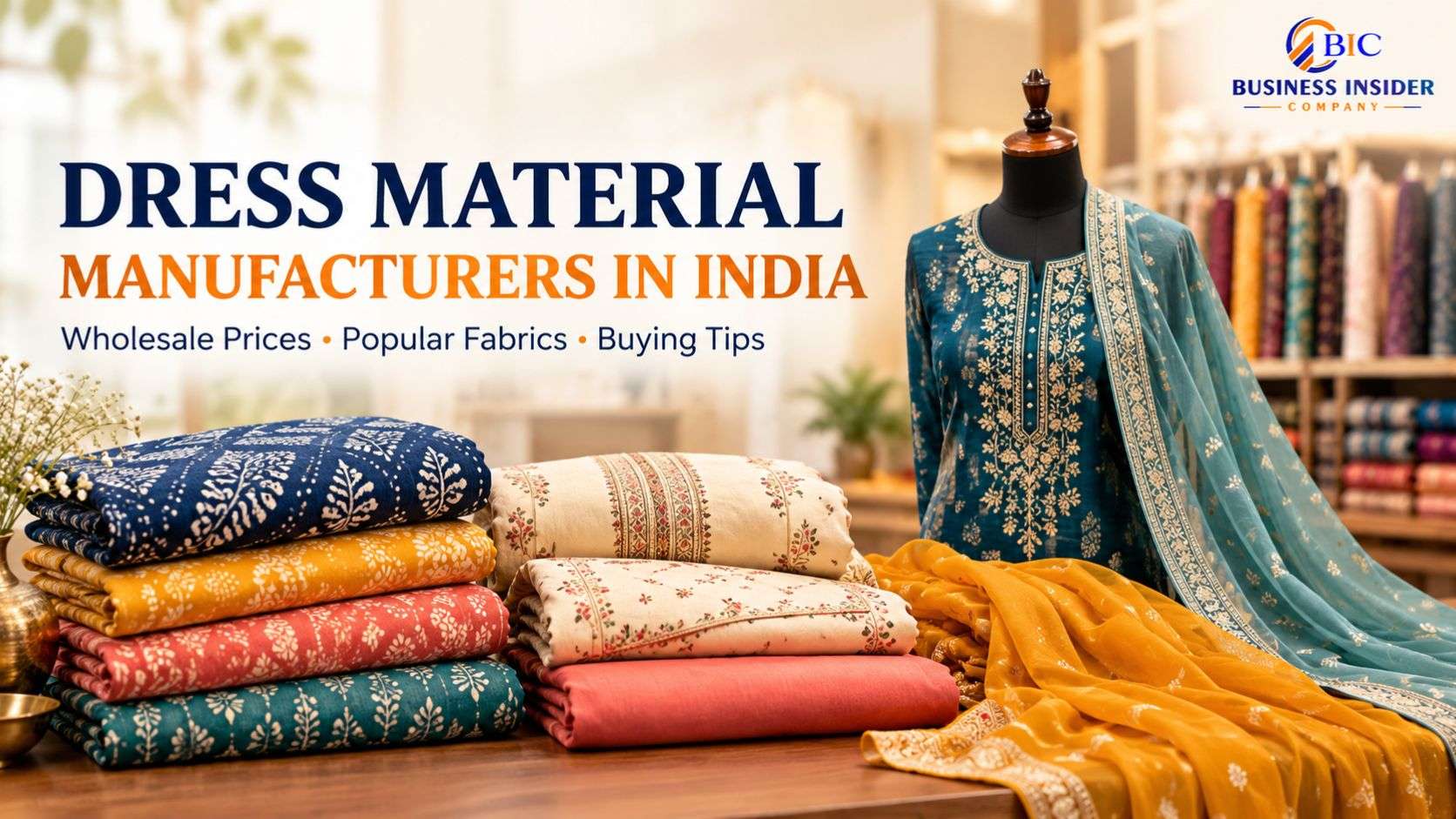
Dress Material Manufacturers in India: Explore Top Suppliers, Wholesale Prices, Popular Fabrics and Buying Tips
India's textile industry offers a wide variety of fabrics, prints, and unstitched clothing materials for retailers, boutique owners, wholesalers, and fashion resellers. From comfortable cotton fabrics to traditional batik prints and designer suit sets, buyers can explore products suitable for everyday wear, festive occasions, and premium collections. Choosing reliable dress material manufacturers in India helps businesses maintain consistent quality, competitive pricing, and customer satisfaction.
Whether you are starting a clothing business or expanding an existing catalogue, understanding fabric varieties, supplier selection, and wholesale purchasing can help you make informed decisions.
Finding a Reliable Ladies Dress Material Manufacturer
A reliable ladies dress material manufacturer supplies products designed to meet different customer preferences and price ranges. Dress materials commonly include top fabric, bottom fabric, and a dupatta, although the components and measurements vary by product.
Retailers should compare suppliers based on fabric quality, design availability, minimum order quantity (MOQ), pricing, and dispatch timelines. Requesting product photographs, detailed specifications, and samples where available can help reduce purchasing risks.
When comparing a ladies dress material manufacturer, consider whether the supplier offers repeat stock, seasonal collections, and clear information about fabric composition. These factors are important for businesses that want to maintain a consistent product range.
Batik Dress Materials Manufacturers: Traditional Prints and Modern Designs
Batik-inspired fabrics are popular for their distinctive patterns, attractive color combinations, and artistic appearance. They can be suitable for casual clothing, ethnic outfits, and boutique collections.
Batik dress materials manufacturers may offer cotton, rayon, and blended fabrics featuring traditional motifs, geometric designs, floral prints, and contemporary patterns. Buyers should check the printing technique and verify whether the designs are hand-produced or machine-printed.
When sourcing from batik dress materials manufacturers, inspect color consistency, print clarity, fabric texture, and washing instructions. These details help retailers select products that match their customers' expectations.
For businesses exploring the wider textile industry, dress material manufacturers and suppliers can provide a useful starting point for understanding manufacturing categories and supplier-selection considerations.
Cotton Dress Material Manufacturers in India: Fabric Quality and Comfort
Cotton remains a popular choice for everyday clothing because of its breathability, versatility, and comfortable feel. It is widely used for summer outfits, casual suits, office wear, and traditional clothing.
Cotton dress material manufacturers in India may offer pure cotton, cambric cotton, cotton blends, printed cotton, and embroidered varieties. Each option differs in texture, weight, appearance, and price.
Before purchasing in bulk, retailers should check:
-
Fabric composition and thickness.
-
Print quality and colorfastness.
-
Shrinkage and washing requirements.
-
Fabric dimensions and set contents.
-
Consistency between catalogue images and delivered products.
Choosing dependable cotton dress material manufacturers in India can help retailers build collections that balance affordability, comfort, and visual appeal.
Buyers can also review cotton dress material suppliers and product listings to understand the types of products available in the market and compare specifications before requesting quotations.
Unstitched Dress Material Manufacturer: What to Check Before BuyingAn unstitched dress material manufacturer supplies fabric that customers can customise according to their preferred measurements, designs, and stitching styles. These sets are particularly useful for boutiques, ethnic-wear retailers, and businesses serving customers who prefer tailored outfits.
A typical three-piece set may contain fabric for a kurta, bottom, and dupatta. However, lengths, materials, and components differ across collections, so buyers should confirm the specifications for each product.
When choosing an unstitched dress material manufacturer, consider the following:
-
Confirm the measurements of every fabric piece.
-
Check whether the set includes a dupatta.
-
Ask about embroidery, embellishments, and finishing.
-
Understand minimum order quantities and mixed-design purchasing options.
-
Review dispatch schedules and damaged-product policies.
Clear product information makes it easier to price merchandise accurately and provide reliable descriptions to customers.
Dress Material Manufacturers in Gujarat: Important Textile Sourcing Hubs
Gujarat is an important destination for textile sourcing, with Surat widely recognised for its textile trading, synthetic fabrics, sarees, and dress-material collections. Buyers may also explore suppliers in other Gujarat locations depending on their preferred products and manufacturing requirements.
Dress material manufacturers in Gujarat may cater to different market segments, from affordable printed collections to embellished and occasion-wear materials. Availability depends on the supplier's specialisation and current catalogue.
When comparing dress material manufacturers in Gujarat, businesses should evaluate product quality, production capacity, wholesale terms, shipping costs, and the availability of repeat designs.
Retailers can also explore broader Indian business categories through Business Insider Company to discover business information and relevant industry resources.
Understanding Wholesale Prices and Profit Margins
Wholesale prices vary according to fabric composition, printing methods, embroidery, finishing, order volume, and supplier terms. Designer sets with additional embellishments may cost more than simple printed materials, while larger orders may qualify for different pricing arrangements.
Instead of choosing the lowest quotation automatically, compare equivalent products using the same specifications. Calculate the total purchase cost, including shipping, packaging, applicable taxes, and other charges.
Retailers should also consider their expected selling price, local competition, operating expenses, and customer demand before deciding on a profit margin.
A practical strategy is to begin with a manageable order, assess customer response, and increase quantities for designs that perform well. This approach can help businesses control inventory costs while discovering their strongest product categories.
Tips for Choosing the Best Wholesale Supplier
Selecting a suitable supplier involves more than reviewing photographs or comparing prices. Buyers should establish clear expectations before confirming an order.
Use this checklist before purchasing:
-
Verify the supplier's business details and contact information.
-
Request a current catalogue and written quotation.
-
Confirm MOQ, payment terms, and delivery estimates.
-
Ask about fabric composition and quality checks.
-
Clarify replacement procedures for defective or incorrect products.
-
Keep invoices and order confirmations for reference.
-
Test demand before investing heavily in a new collection.
Retailers sourcing multiple product categories should maintain organised supplier records and compare performance over time. Businesses exploring adjacent manufacturing industries may also find furniture manufacturers relevant when researching opportunities outside the clothing sector.
Frequently Asked Questions
1. How do I find reliable dress material manufacturers in India?
Compare catalogues, product specifications, pricing, MOQ, delivery terms, and supplier credentials. Request samples where possible and confirm all order conditions before making bulk payments.
2. Which dress materials are popular for wholesale purchasing?
Cotton, rayon, batik prints, printed fabrics, and embroidered unstitched sets are common options. The right mix depends on your target customers, budget, and seasonal demand.
3. What should I check before ordering unstitched dress materials in bulk?
Confirm fabric composition, measurements, set contents, print quality, minimum order quantity, dispatch timelines, and replacement policies. Start with a manageable quantity if you are testing a new supplier.
Start Your Dress Material Sourcing Journey Today
Building a successful clothing business begins with selecting products that meet customer expectations and fit your budget. By comparing fabric varieties, understanding wholesale pricing, and checking supplier reliability, retailers can make better purchasing decisions.
Explore dress material manufacturers in India to learn more about the supplier landscape and identify sourcing opportunities for your retail shop, boutique, or wholesale business. Research your options, compare quotations, and choose products that support your long-term business goals.
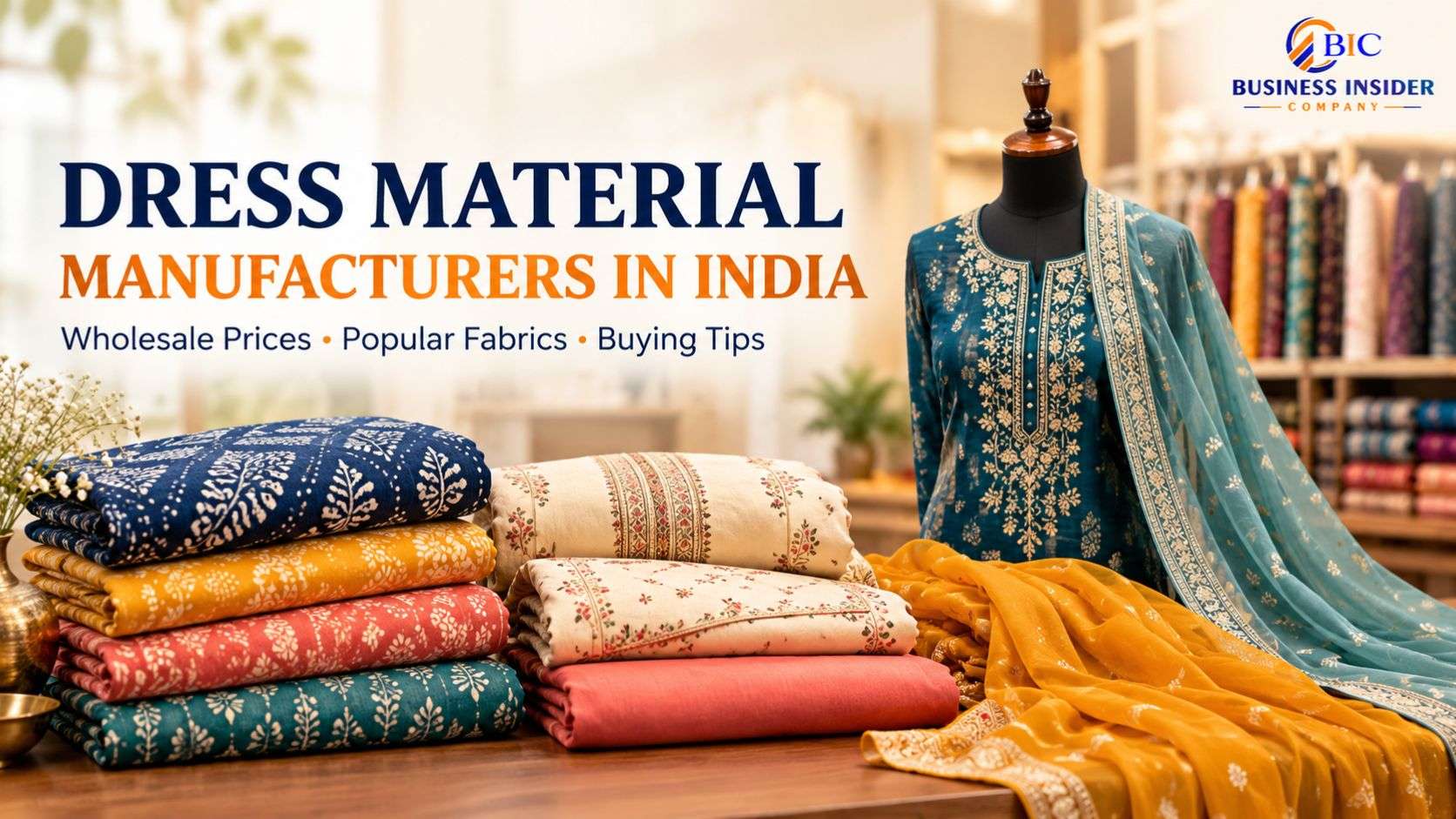
Dress Material Manufacturers in India: Explore Top Suppliers, Wholesale Prices, Popular Fabrics and Buying Tips
India has a diverse textile industry offering a wide range of fabrics, prints, colors, and designs for retailers, boutiques, resellers, and clothing businesses. From traditional cotton prints to elegant festive fabrics, dress materials remain a popular choice for customers who prefer customized outfits. Finding reliable suppliers is essential for maintaining product quality, competitive pricing, and customer satisfaction.
For retailers looking to expand their inventory, understanding fabric varieties, wholesale purchasing, and supplier selection can make bulk buying easier and more profitable.
Understanding the Dress Material Market in India
The demand for dress materials continues across different customer segments, including everyday clothing, office wear, festive outfits, and occasion wear. Retailers can choose from cotton, rayon, georgette, silk blends, and printed fabrics according to their target market.
Working with established dress material manufacturers in India can help buyers explore suitable sourcing opportunities, compare product varieties, and understand the textile supply chain. Before placing an order, businesses should evaluate fabric quality, design consistency, minimum order quantities, and delivery timelines.
Choosing a Ladies Dress Material Manufacturer
A dependable ladies dress material manufacturer can help retailers source coordinated fabric sets suitable for different customer preferences. These sets may include a top fabric, matching bottom fabric, and dupatta, depending on the design and product category.
When selecting a supplier, consider the following factors:
-
Fabric quality, texture, and color consistency.
-
Availability of different designs and sizes of fabric sets.
-
Minimum order quantity and wholesale pricing.
-
Product photographs and accurate descriptions.
-
Packaging, shipping, and replacement policies.
Retailers should request fabric samples or inspect available catalogues whenever possible. Starting with a manageable order can help assess customer demand before purchasing larger quantities.
Batik Dress Materials Manufacturers and Printed Fabric Trends
Batik prints are appreciated for their distinctive patterns and traditional appearance. These designs can attract customers looking for ethnic, artistic, and casual clothing options. Depending on the production method, batik-inspired designs may feature contrasting colors, geometric patterns, floral motifs, and handcrafted-looking effects.
Businesses sourcing from batik dress materials manufacturers should check print clarity, fabric durability, and colorfastness. These details matter because customers expect dress materials to retain their appearance after regular use and washing.
Retailers can also create variety in their catalogues by combining printed fabrics with embroidered, textured, and contemporary designs. A balanced selection helps serve customers with different budgets and style preferences.
Cotton Dress Material Manufacturers in IndiaCotton is one of the most practical fabric choices for everyday clothing because of its breathability, comfort, and versatility. It is suitable for summer collections, casual wear, office outfits, and traditional suits.
When comparing cotton dress material manufacturers in India, buyers should examine fabric thickness, softness, shrinkage, stitching suitability, and print quality. Pure cotton and cotton-blend products can have different characteristics, so product specifications should be checked before ordering.
Retailers can consider stocking floral prints, block-inspired patterns, traditional motifs, and understated designs to appeal to a broad customer base. Seasonal purchasing and a mix of price points can also help businesses manage inventory more effectively.
Unstitched Dress Material Manufacturer: What Buyers Should KnowAn unstitched dress material manufacturer supplies fabric sets that customers or tailors can turn into customized garments. These products allow flexibility in selecting garment styles, sleeve designs, necklines, and fits.
Before buying unstitched sets in bulk, confirm the measurements of each fabric piece, the dupatta dimensions, fabric composition, and whether embellishments are included. Clear product descriptions reduce misunderstandings and help retailers communicate accurately with customers.
Unstitched dress materials can be particularly useful for boutiques and retailers serving customers who prefer personalized ethnic outfits.
Dress Material Manufacturers in Gujarat: Sourcing Opportunities
Gujarat is known for its textile activity, with Surat being an important center for fabrics, sarees, dress materials, and wholesale textile trading. Buyers exploring dress material manufacturers in Gujarat may find a variety of printed fabrics, synthetic materials, cotton blends, and occasion-wear collections.
When sourcing from Gujarat, compare suppliers based on product quality, catalogue variety, pricing transparency, and shipping arrangements. Do not select a supplier on price alone; consistent quality and reliable fulfillment are important for repeat business.
Retailers can also broaden their ethnic product range with complementary categories. For example, stores selling festive dress materials may offer Banarasi sarees wholesale to customers searching for traditional outfits for weddings, celebrations, and special occasions.
How to Compare Wholesale Prices and Select Suppliers
Wholesale prices vary according to fabric composition, printing technique, embroidery, finishing, order quantity, and supplier terms. Rather than relying on a single quotation, request comparable product specifications from multiple sellers.
Use these practical buying tips:
-
Compare like-for-like products: Check fabric composition, dimensions, design details, and set contents.
-
Confirm the MOQ: Understand the minimum order quantity and whether mixed designs are permitted.
-
Calculate the total cost: Include shipping, packaging, taxes where applicable, and other charges.
-
Inspect quality: Request samples or detailed product photographs before committing to a large purchase.
-
Check dispatch timelines: Confirm stock availability, processing time, and delivery estimates.
-
Review supplier policies: Understand payment terms, damaged-product procedures, and return conditions.
A structured comparison makes it easier to select products that match your business budget and customers' expectations.
Expanding Your Catalogue with Complementary Products
Retailers can increase product variety by combining dress materials with related fashion accessories and ethnic clothing. This approach may encourage customers to explore more products during a single shopping visit.
For example, artificial and fashion jewellery can complement ethnic outfits, festive suits, and traditional clothing. Retailers can explore the necklace collection when considering jewellery options that pair with embroidered or printed dress materials.
A well-organized catalogue featuring clothing and complementary accessories can help boutiques and resellers serve different occasions and customer preferences. However, buyers should assess demand before adding too many categories to their inventory.
Frequently Asked Questions
1. How can retailers find reliable dress material suppliers in India?
Compare supplier catalogues, fabric specifications, minimum order quantities, pricing, customer feedback, and shipping terms. Request samples where possible before placing a large order.
2. Which fabrics are suitable for wholesale dress material businesses?
Cotton, rayon, georgette, silk blends, and printed fabrics are common options. The best selection depends on customer preferences, seasonal demand, product quality, and the retailer's budget.
3. How can businesses manage wholesale purchasing costs?
Compare quotations for equivalent products, calculate the complete landed cost, confirm minimum quantities, and start with a manageable order to test demand.
Start Sourcing Dress Materials for Your Business
Building a successful clothing business starts with selecting suitable products and dependable suppliers. From cotton and batik prints to unstitched sets and festive collections, understanding the market helps retailers make informed purchasing decisions.
Explore Wholesale Catalog to discover product categories and sourcing opportunities for your retail or boutique business. Compare available designs, review product details, and plan your next purchase according to your customers' needs and budget.
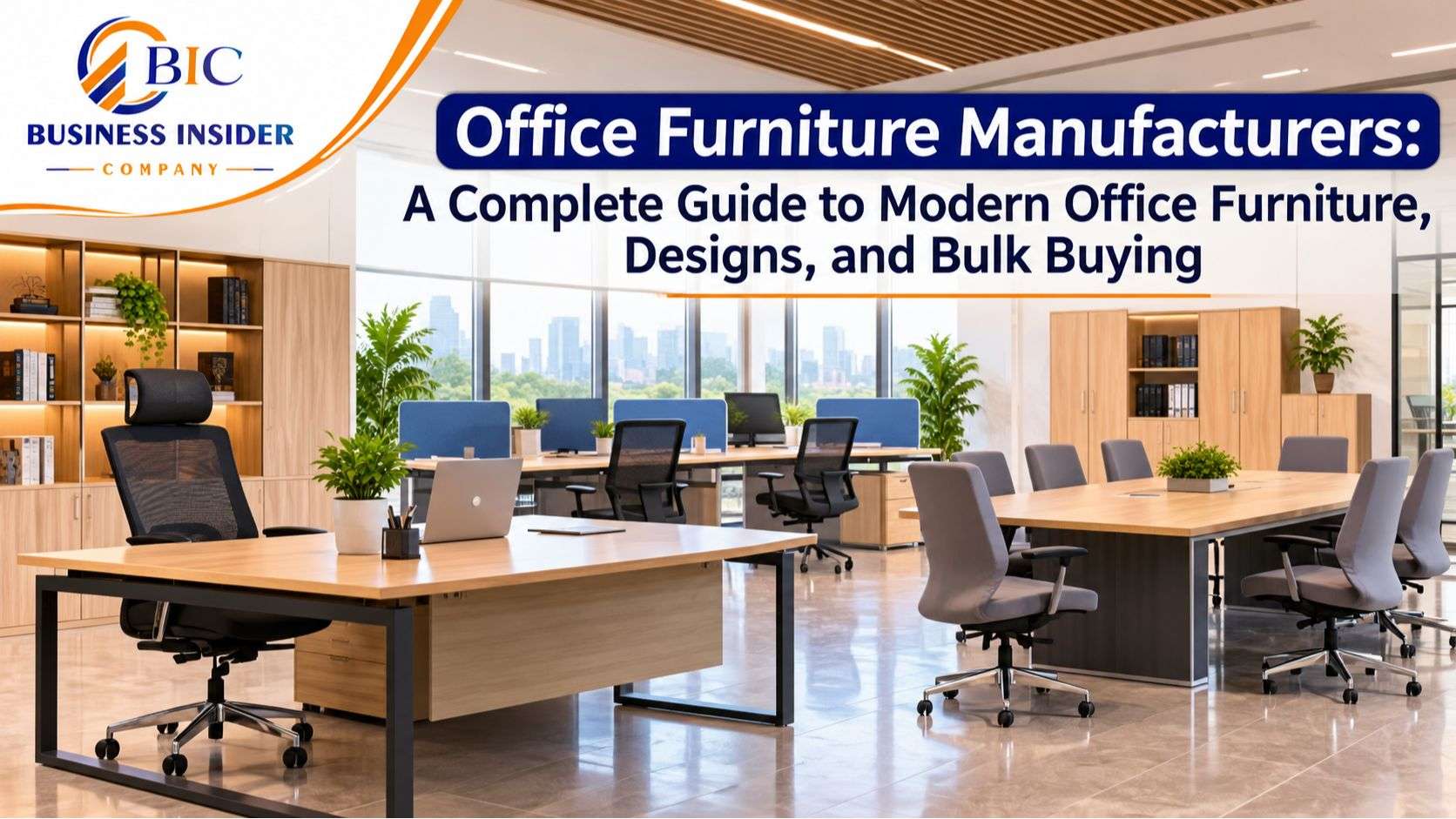
Office Furniture Manufacturers: A Complete Guide to Modern Office Furniture, Designs, and Bulk Buying
Choosing the right office furniture is an important decision for businesses that want to create a professional, comfortable, and productive workplace. From ergonomic chairs and executive desks to modern workstations and conference tables, quality furniture helps organizations use their available space efficiently while maintaining a consistent office appearance.
Reliable Office Furniture Manufacturers can help businesses explore different furniture styles, materials, finishes, and customization options. Whether you are furnishing a startup, expanding a corporate office, or renovating a commercial workspace, understanding the available products and purchasing options can help you make informed decisions.
Modular Office Furniture: Flexible Solutions for Modern Workplaces
Modular office furniture is a popular choice for businesses that need flexible layouts and efficient space utilization. These furniture systems include desks, partitions, storage units, and workstations that can be arranged according to different office requirements.
One major advantage is adaptability. Companies can rearrange workstations when teams expand, departments move, or office layouts change. Modular designs are available in different sizes, colors, and finishes, making it easier to maintain a consistent interior theme.
Before purchasing, consider available floor space, cable management, storage requirements, and employee comfort. Investing in suitable furniture from the beginning can reduce unnecessary replacements and make future office changes easier.
Office Furniture Stores: How to Compare Available Options
Visiting office furniture stores can help buyers compare furniture designs, dimensions, materials, and finishes before making a purchase. Physical showrooms allow you to inspect construction quality, test chairs, and understand how different products may fit your workspace.
However, compare more than the displayed price. Ask about product warranties, delivery charges, installation services, customization, and after-sales support. Online catalogs can also help you shortlist products before visiting a showroom or contacting a supplier.
Businesses should request detailed quotations when comparing multiple vendors. A transparent quotation makes it easier to understand what is included and avoid unexpected expenses during installation.
Modular Furniture Manufacturer: Customizing Your Workspace
A professional modular furniture manufacturer can create furniture solutions that suit specific office dimensions and operational requirements. Custom modular systems may include corner desks, collaborative workstations, integrated storage, and partitions for different departments.
When evaluating a manufacturer, review material specifications, edge finishing, hardware quality, load capacity, and assembly methods. Ask whether the company can provide drawings or layout suggestions before production begins.
Customization is especially valuable for offices with unusual floor plans or limited space. However, customized products may require longer production times, so confirm the expected delivery schedule before placing your order.
Office Setup Furniture: Essential Items for a Functional Office
Selecting suitable office setup furniture requires balancing appearance, functionality, and employee comfort. A well-planned office generally needs work desks, supportive chairs, storage cabinets, meeting tables, reception furniture, and appropriate lighting.
Start by identifying how each area will be used. Employees who work at computers throughout the day may need adjustable chairs and desks with sufficient legroom. Meeting rooms require tables that accommodate participants without restricting movement, while reception areas benefit from comfortable seating and practical storage.
For additional guidance, consult the OSHA computer workstation recommendations, which explain important considerations for arranging desks, chairs, monitors, and other workstation components.
Office Furniture Companies in India: What Buyers Should Check
There are many office furniture companies in India offering different product ranges, manufacturing capabilities, and purchasing arrangements. The right supplier depends on your budget, location, required quantities, design preferences, and installation needs.
Before choosing a vendor, check its product portfolio, customer reviews, manufacturing experience, delivery coverage, and warranty terms. If possible, inspect samples or completed projects to evaluate the quality of materials and workmanship.
Also confirm whether the supplier manufactures products directly or sources them from other vendors. Understanding the supply arrangement can help you evaluate customization capabilities, lead times, and responsibility for after-sales service.
Businesses can use the Business Insider Company business directory to explore business-related resources and discover companies across different industries.
Commercial Office Furniture Manufacturers: Solutions for Growing Businesses
Commercial office furniture manufacturers typically serve organizations that need furniture designed for regular workplace use. Their product categories may include executive desks, employee workstations, conference tables, reception counters, and filing systems.
Durability is particularly important when furnishing offices with many employees or frequent visitors. Consider sturdy frames, scratch-resistant surfaces, reliable drawer mechanisms, and materials that are easy to maintain.
For larger projects, prepare a furniture schedule that lists product dimensions, quantities, finishes, and delivery locations. This helps suppliers understand your requirements and provide more accurate quotations. Confirm installation arrangements and inspect the delivered items against the approved specifications.
Custom Office Furniture Manufacturers for Businesses
Custom office furniture manufacturers for businesses can develop furniture that reflects a company's brand identity and operational needs. Options may include custom reception counters, branded panels, executive workstations, built-in storage, and conference tables made to specific dimensions.
Customization can be useful when standard furniture does not fit the available space or when a business wants a distinctive interior design. However, custom projects require clear communication between the buyer, designer, and manufacturer.
Prepare measurements, reference images, preferred materials, color choices, and a realistic budget before requesting a proposal. Review drawings and written specifications carefully before approving production. Confirm payment terms, manufacturing timelines, delivery responsibilities, and the procedure for handling damaged or incorrect items.
Wholesale Office Furniture Suppliers for Bulk Orders
Wholesale office furniture suppliers for bulk orders can be suitable for businesses opening new branches, furnishing large offices, or purchasing furniture for multiple departments. Ordering several items together may simplify procurement and help buyers negotiate pricing, delivery schedules, and installation arrangements.
However, bulk purchasing does not automatically guarantee the lowest overall cost. Compare quotations based on product quality, transportation, assembly, warranty coverage, and replacement policies. A cheaper product may become more expensive if it requires frequent repairs or early replacement.
When comparing office furniture stores and bulk suppliers, request a complete breakdown of costs and verify that the quoted products meet your requirements. For large orders, consider approving a sample or prototype before confirming the full quantity.
A planned approach to office setup furniture purchasing can also help businesses maintain consistent furniture styles across different departments or branches. Keep written records of product codes, dimensions, colors, and approved specifications to make future purchases easier.
Conclusion: Choose the Right Furniture for Long-Term Value
Selecting suitable office furniture involves more than choosing attractive designs. Businesses should evaluate comfort, durability, space requirements, customization options, delivery schedules, and overall purchasing costs before making a final decision.
Experienced Office Furniture Manufacturers can help buyers compare suitable products and plan furniture solutions for different workplace environments. By checking specifications, comparing quotations, and confirming after-sales support, businesses can create functional offices that meet both current and future needs.
Call to Action
Ready to upgrade your workplace? Explore suitable furniture options, compare supplier quotations, and identify the products that match your office layout and budget. Visit Business Insider Company to explore business resources and take the next step toward planning a professional, comfortable, and efficient workspace.

Fabric Manufacturers in India: Top Fabrics, Prices, and Wholesale Buying Tips
Choosing the right fabric supplier is essential for retailers, boutique owners, garment manufacturers, and online sellers who want to offer quality products at competitive prices. India has a diverse textile industry that produces cotton, rayon, printed, embroidered, silk, and imported fabrics for different clothing and fashion needs. Working with reliable Fabric Manufacturers helps businesses maintain product quality, manage costs, and build a profitable wholesale operation.
From sourcing everyday dress materials to purchasing fabrics for premium collections, buyers should understand fabric varieties, pricing factors, and supplier selection before placing bulk orders. This guide explains how to identify suitable suppliers and make informed purchasing decisions.
Why Choose a Fabric Store Online?
A reliable fabric store online allows buyers to explore different materials, compare designs, and evaluate available options without visiting multiple physical markets. Online sourcing can save time for retailers who need regular fabric supplies for seasonal collections and customer orders.
Before purchasing, check fabric descriptions, width, composition, minimum order quantities, and available colors. Request sample pieces whenever possible to assess the actual texture, thickness, and print quality. A dependable online supplier should provide transparent pricing, clear product photographs, and responsive customer support.
For businesses comparing Fabric Manufacturers, online catalogs can also make it easier to shortlist suppliers based on product categories and purchasing requirements.
Explore Fabric Manufacturers in Surat
Surat is one of India's important textile and synthetic fabric trading hubs. The city is widely associated with polyester, rayon, printed fabrics, dress materials, and fabrics used in traditional and contemporary clothing. Its textile ecosystem provides opportunities for retailers, wholesalers, and garment businesses looking for a variety of materials.
When researching fabric manufacturers in surat, compare product quality, production capabilities, wholesale rates, and delivery arrangements. Some suppliers specialize in particular fabric categories, while others offer broader collections for different business needs.
Ask whether the quoted price includes taxes, packing, and transportation. Buyers should also confirm color consistency between batches, defect policies, and the supplier's ability to fulfill repeat orders. These checks can help businesses build dependable sourcing relationships.
Printed Rayon Fabric Wholesale in Surat
Rayon is popular in women's clothing because it can offer a soft feel, attractive drape, and versatility for different garment styles. Printed rayon is frequently used for kurtis, dresses, tops, palazzo sets, and other fashion products.
Businesses sourcing printed rayon fabric wholesale in surat should examine print clarity, fabric weight, colorfastness, and shrinkage. These factors influence the final appearance of garments and the satisfaction of customers.
Wholesale prices vary according to composition, print technique, fabric width, order quantity, and finishing. Instead of choosing only the lowest quotation, compare the usable fabric quality and expected garment yield. Testing a small sample before purchasing a large quantity can reduce avoidable losses.
Fabric Shops in Mumbai: What Buyers Should Know
Mumbai offers fabric retailers, textile traders, and sourcing opportunities for businesses serving different fashion markets. Buyers can explore materials for everyday clothing, occasion wear, tailoring, and designer collections.
When comparing fabric shops in mumbai, consider whether the seller specializes in retail cuts, wholesale quantities, or bulk supply. Retail purchases may suit small designers and sample development, whereas wholesalers may provide more competitive rates for larger orders.
If you source from different cities, calculate the total landed cost, including transportation, packaging, taxes, and possible wastage. Comparing the complete cost rather than the listed price helps businesses make better purchasing decisions.
Embroidery Cloth Material for Premium Collections
Embroidery fabrics are suitable for festive clothing, bridal outfits, designer suits, blouses, lehengas, and decorative garments. Popular options include embroidered net, georgette, velvet, organza, and other embellished materials.
When selecting embroidery cloth material, examine thread quality, embellishment attachment, fabric backing, and the consistency of the design. Heavy embroidery may increase garment production costs, so buyers should estimate stitching expenses alongside the fabric price.
Businesses should also inspect whether the material can withstand handling, cutting, and stitching without excessive thread loss or damage. Requesting samples and confirming the available stock before ordering can help prevent production delays.
Fabric of India: Popular Types and Their Uses
The fabric of India reflects a wide range of traditional craftsmanship and modern textile manufacturing. Cotton is commonly used for breathable everyday clothing, rayon for flowing garments, silk for occasion wear, and polyester blends for versatile and often easy-care apparel.
Other popular options include linen, denim, georgette, chiffon, and embroidered fabrics. Each material has different characteristics, so the best choice depends on the intended garment, customer preferences, season, and budget.
Reliable Fabric Manufacturers can help businesses understand composition, finishing, fabric width, and suitable applications. Buyers should verify product specifications rather than relying on fabric names alone, because blends and finishing methods can change how a material performs.
Imported Fabric: Quality, Pricing, and Buying Tips
Imported fabric can offer distinctive textures, specialized finishes, and designs that may appeal to premium fashion brands and boutiques. However, the term covers many different materials, and quality varies by manufacturer, composition, and production process.
Before purchasing imported fabric, request technical specifications, samples, and information about origin where relevant. Check availability, lead times, applicable duties, and return conditions if sourcing internationally. For domestic distributors, confirm whether the quoted price includes all applicable charges.
Compare imported options with locally produced alternatives to determine whether the additional cost provides meaningful value to your customers. Choosing based on durability, appearance, and garment suitability is generally more useful than selecting a product simply because it is imported.
How to Find the Best Online Fabric Store India
Finding the best online fabric store India requires more than browsing attractive product images. Buyers should verify the seller's business details, product specifications, payment terms, shipping policies, and customer service before committing to a large order.
Start by shortlisting suppliers that match your required fabric type and quantity. Compare sample quality, minimum order requirements, delivery times, and repeat-stock availability. For ongoing sourcing needs, consistent quality and dependable communication can be as important as the initial price.
Businesses researching Fabric Manufacturers can also explore related commercial resources, such as furniture manufacturers, to learn about other manufacturing sectors and supplier markets. For additional business information and industry-related resources, visit Business Insider Company.
Wholesale Fabric Prices and Buying Tips for Retailers
Fabric prices depend on raw materials, yarn quality, weaving or knitting methods, printing, dyeing, embroidery, finishing, and order volume. Cotton, rayon, polyester, silk, and specialty fabrics therefore have different pricing structures. Prices can also change with market demand and supplier availability.
Use these practical buying tips before placing an order:
-
Set a budget: Calculate your target purchase cost and expected selling price.
-
Compare suppliers: Request quotations for the same specifications and quantities.
-
Order samples: Check texture, color, width, and durability before bulk purchasing.
-
Confirm minimum quantities: Ensure the order size suits your sales capacity.
-
Check delivery terms: Confirm dispatch timelines, transport costs, and return policies.
-
Inspect bulk orders: Verify quality and quantity immediately after receiving the shipment.
A supplier offering a lower rate may not always deliver the best value. Evaluate quality, consistency, wastage, and delivery reliability when estimating your actual business costs.
Conclusion: Choose the Right Fabric Supplier for Your Business
Selecting suitable fabric suppliers is an important step toward building a successful retail, boutique, or garment manufacturing business. By comparing fabric types, evaluating wholesale prices, checking samples, and confirming delivery terms, buyers can make more confident sourcing decisions.
Whether you need cotton, printed rayon, embroidery materials, or imported textiles, focus on quality, transparent pricing, and reliable service. Working with dependable Fabric Manufacturers can help you maintain consistent collections and serve customers more effectively.
Ready to improve your fabric sourcing? Shortlist suitable suppliers, request samples and wholesale quotations, compare the total purchasing cost, and choose materials that match your customers' needs and business budget.

Sofa Manufacturers: How to Find the Right Furniture Manufacturer for Your Business
Choosing reliable sofa manufacturers is an important step for furniture retailers, interior designers, wholesalers and homeowners looking for quality products. A good manufacturer offers durable materials, attractive designs, comfortable seating and competitive prices. Whether you need modern sofas for apartments, premium furniture for hotels or bulk orders for your retail business, selecting the right supplier can help you maintain quality and customer satisfaction.
Before placing an order, compare manufacturing experience, upholstery options, customization facilities, production capacity and delivery terms. Understanding these factors will help you make a confident purchasing decision and build a dependable furniture supply chain.
Why Choosing the Right Sofa Manufacturer Matters
A reliable manufacturer can provide consistent product quality, suitable pricing and a range of designs for different customers. Businesses purchasing furniture in bulk should evaluate frame construction, foam density, fabric durability and finishing standards before confirming an order.
Working with experienced suppliers can also simplify repeat purchases, custom orders and product development. For additional industry information, explore furniture manufacturers to understand the broader furniture manufacturing sector.
How to Find a Sofa Manufacturer in Ahmedabad
Finding a sofa manufacturer in Ahmedabad can be useful for retailers, furniture dealers and interior designers sourcing products in Gujarat. When evaluating local manufacturers, ask about available collections, minimum order quantities, production timelines and transportation arrangements.
Visit showrooms or factories whenever possible to inspect the furniture directly. Check the quality of wooden or metal frames, stitching, cushions and upholstery. Request product photographs, material specifications and quotations before placing bulk orders.
Compare at least two or three suppliers rather than choosing exclusively on price. A manufacturer offering reliable quality and clear communication may provide better long-term value than a cheaper supplier with inconsistent production standards.
Selecting a Comfortable Sofa Chair for Everyday Use
A comfortable sofa chair can improve the functionality of living rooms, reception areas, bedrooms and office lounges. Buyers should consider seat depth, back support, armrest height and cushion firmness before purchasing.
For commercial spaces, select materials that are easy to clean and suitable for frequent use. For residential interiors, consider the room size, existing furniture and preferred design style.
Always check the dimensions before ordering. A chair that looks attractive in a catalogue may not fit comfortably in a smaller room. Testing the seating, when possible, helps you assess comfort and construction quality.
What to Check Before Buying Handmade Sofas
A hand made sofa offers opportunities for customized dimensions, upholstery, detailing and finishes. Depending on the workshop, buyers may choose specific fabrics, cushion styles, leg designs and decorative elements.
Handcrafted furniture can suit customers seeking distinctive designs or personalized interiors. However, workmanship and production times vary between manufacturers. Ask about the materials used, construction techniques, customization charges and expected completion date.
Retailers should also request clear product specifications and sample images to ensure that finished products match customer expectations. Confirm the manufacturer's policy for repairs, defects and replacements before making a large investment.
Choosing a Sofa Set Manufacturer for Wholesale Orders
A dependable sofa set manufacturer can help furniture retailers maintain a varied inventory for different budgets and interior styles. Before selecting a supplier, review the range of two-seater, three-seater, sectional and complete living-room sofa sets.
Wholesale buyers should compare per-unit pricing, bulk discounts, packaging standards and delivery schedules. Ask whether the manufacturer can maintain consistent dimensions, colours and finishing across multiple units.
It is also important to understand payment terms and order cancellation policies. Request a written quotation that specifies materials, quantities, delivery charges and applicable taxes to reduce misunderstandings.
How to Choose a House Sofa Set
When purchasing a house sofa set, consider the size of your living room, household requirements and preferred interior theme. Compact sofas may suit apartments, while larger sectional arrangements can work well in spacious living areas.
Fabric sofas offer a wide range of colours and textures, whereas leather and leatherette options create a different visual appearance and have their own maintenance requirements. Wooden-frame sofas can complement traditional interiors, while streamlined designs suit contemporary homes.
Measure doorways, staircases and available floor space before ordering. These simple checks help prevent delivery and installation problems.
Buying a Sofa Set Online
Purchasing a sofa set online allows buyers to compare designs, dimensions, upholstery and prices without visiting multiple stores. Online catalogues can help you shortlist options according to room size, budget and style preferences.
Before ordering, read the product specifications carefully and verify the seller's reputation. Look for clear photographs, warranty information, shipping charges, return conditions and assembly details.
If you are purchasing for a furniture business, request wholesale quotations and ask whether product samples or showroom inspections are available. Confirm the expected delivery timeline and ensure the seller provides an invoice.
Tips for Sofa Online Shopping
Successful sofa online shopping begins with understanding your requirements. Set a realistic budget that includes delivery, installation and any optional customization costs.
Compare upholstery materials, frame construction, cushion support and warranty coverage rather than focusing only on promotional prices. Check whether the sofa requires assembly and whether the seller provides installation assistance.
For business buyers, evaluate packaging quality and transportation arrangements, especially for large shipments. Keep order confirmations, payment receipts and written specifications for future reference.
Finding Sofa Manufacturers in Pune
Businesses searching for sofa manufacturers in Pune should compare suppliers based on product quality, manufacturing capacity and the ability to fulfil orders consistently. Pune's furniture market serves residential, office and hospitality requirements, making it important to identify suppliers suited to your particular segment.
Ask manufacturers about custom designs, fabric availability, production lead times and bulk-order pricing. If you operate a retail store, choose a supplier whose collection reflects your target customers' preferences.
Before committing to a large order, inspect a sample or completed product and clarify warranty and after-sales support arrangements.
Factors That Affect Sofa Manufacturing Prices
Sofa prices depend on several factors, including frame material, foam quality, upholstery, design complexity, dimensions and finishing. Custom-made sofas may cost more because they require additional labour, specialized materials or non-standard measurements.
Bulk orders may qualify for discounts, but buyers should compare the complete quotation rather than the unit price alone. Delivery, packaging, taxes and installation can affect the final cost.
Ask manufacturers to explain the specifications included in each price quotation. This makes it easier to compare suppliers fairly and select furniture that meets your quality and budget requirements.
Build a Reliable Furniture Supply Chain
Strong supplier relationships help furniture businesses maintain product availability and customer satisfaction. Share clear requirements, confirm delivery schedules and document product specifications before production begins.
Retailers and resellers can also explore the Business Insider Company website for business-related resources and industry information. Combine supplier research with customer feedback to identify products that match local demand.
Conclusion: Choose Quality, Comfort and Value
Finding the right manufacturer requires more than comparing prices. Evaluate materials, craftsmanship, customization options, production capacity and after-sales support before making your final decision.
Whether you need furniture for a home, showroom, hotel or wholesale business, reliable sofa manufacturers can help you source products that balance comfort, durability and design. Research suppliers carefully, request detailed quotations and confirm all order terms in writing.
Ready to source quality sofas for your business? Start comparing experienced manufacturers today, discuss your requirements, and request a quotation that fits your budget and product needs.

Cotton Saree Manufacturers: Explore Top Manufacturing Hubs, Types, Prices and Buying Tips
India has a rich textile heritage, and sarees remain an important part of traditional fashion, festive dressing, weddings, and everyday wear. From lightweight cotton sarees to luxurious linen and intricately woven Banarasi designs, retailers have many options to build a diverse product collection. Choosing the right saree manufacturers in India can help retailers maintain product quality, manage purchasing costs, and meet changing customer preferences.
For boutique owners, resellers, and wholesale buyers, understanding fabric varieties, manufacturing locations, pricing factors, and supplier selection is essential. This guide explores popular saree categories, important sourcing hubs, and practical tips to help businesses make informed purchasing decisions.
Understanding Cotton Saree Manufacturers
Cotton saree manufacturers produce sarees using different cotton fabrics, weaving techniques, prints, and finishing methods. These sarees are popular because many varieties offer breathability, comfort, and versatility for everyday wear, office use, and casual occasions.
Retailers can explore plain cotton sarees, handloom designs, printed collections, traditional motifs, and contemporary patterns. Each category attracts a different customer segment, so selecting a balanced assortment can help a store appeal to a wider audience.
When evaluating manufacturers, check fabric composition, colour consistency, stitching and finishing, and shrinkage information. Ask for product photographs or samples before placing a large order. Comparing these details helps buyers assess whether a collection meets their customers' expectations.
Explore Pure Linen Sarees Manufacturers
Pure linen sarees manufacturers serve buyers looking for elegant sarees with a distinctive texture and refined appearance. Linen sarees are often chosen for their lightweight feel, natural texture, and understated style, although the final characteristics depend on the fabric composition and construction.
Retailers should verify whether a product is made from pure linen or a linen blend. Product descriptions, fabric labels, and supplier specifications can help avoid confusion when comparing collections.
Linen sarees may appeal to premium boutiques, customers seeking minimalist fashion, and shoppers looking for sophisticated outfits. Stocking a carefully selected range alongside cotton and printed sarees can create variety without relying on a single product category.
3. Important Saree Manufacturing Hubs in India
India has several textile centres known for different saree styles, weaving traditions, printing methods, and commercial supply networks. The right location depends on the designs, fabric types, quantities, and prices a retailer wants to source.
Surat: A Major Commercial Sourcing Centre
Surat is widely associated with textile trading, synthetic fabrics, printed sarees, embroidered designs, and large-scale distribution. Buyers can explore different price segments and collections suitable for everyday retail, festive occasions, and special events.
When comparing suppliers, ask about available stock, minimum order quantities, dispatch schedules, return policies, and product consistency. Businesses exploring saree manufacturers in India can also investigate Surat suppliers to compare collections and wholesale purchasing options.
Banaras: Traditional Weaving and Decorative Designs
Banaras, also known as Varanasi, is particularly recognised for its traditional silk weaving and brocade sarees. These products are commonly associated with weddings, festivals, celebrations, and formal occasions.
The banaras wholesale saree market can be a useful sourcing destination for buyers interested in traditional woven designs. Before ordering, verify the fabric composition, weaving details, zari specifications, and whether the product is handwoven or powerloom-produced.
Retailers should request clear product descriptions and invoices so that the sarees can be accurately represented to customers.
Popular Saree Categories for Wholesale Buyers
A well-planned saree collection can include several fabric types and price segments. Cotton sarees suit everyday shopping needs, while linen styles can serve customers seeking understated elegance. Printed, embroidered, silk, and festive sarees help retailers diversify their collections.
Before purchasing, assess local demand and consider seasonal requirements. For example, festive and wedding collections may need different colours and embellishments from everyday collections. Small trial orders can help businesses identify popular designs before committing to larger quantities.
Working with established saree manufacturers in India may also help buyers compare different categories, provided the supplier offers transparent specifications and dependable service.
Understanding Sarees Wholesale Price
The sarees wholesale price depends on several factors, including fabric quality, weaving method, printing technique, embroidery, embellishments, finishing, order quantity, packaging, and transportation.
Basic printed cotton sarees may occupy a different price segment from premium linen, silk, or heavily embroidered products. Prices can also vary between suppliers because their sourcing arrangements, production costs, and product specifications differ.
For an accurate comparison, request quotations for similar products rather than comparing sarees based only on photographs. Ask suppliers to clarify whether quoted prices include taxes, packaging, shipping, and any additional charges.
Retailers should calculate the full landed cost before setting selling prices. Consider payment fees, delivery expenses, expected discounts, and potential unsold inventory. This approach provides a more realistic picture of profitability than looking at the purchase price alone.
Choosing a Surat Sarees Wholesale Factory
A surat sarees wholesale factory may be suitable for retailers seeking access to a broad range of commercially produced sarees and textile collections. However, choosing a supplier requires more than finding an attractive catalogue or a low quotation.
Use the following checklist when assessing a potential partner:
-
Product quality: Request samples and inspect the fabric, colour, finishing, and overall workmanship.
-
Pricing transparency: Obtain a written quotation with applicable charges and quantity-based rates.
-
Order requirements: Confirm minimum quantities, available sizes or designs, and stock availability.
-
Delivery arrangements: Check dispatch timelines, packaging standards, and shipping costs.
-
Business reliability: Review invoices, communication, replacement policies, and supplier references where available.
These checks help reduce sourcing risks and make supplier comparisons more practical. Retailers can also explore relevant information about the textile business to understand the wider industry and its commercial opportunities.
Practical Buying Tips for Retailers
Before placing a bulk order, define your target customer, preferred price range, and expected sales volume. Compare multiple quotations and request samples whenever possible. Maintain records of supplier details, product specifications, purchase costs, and delivery performance.
Start with a manageable assortment instead of investing heavily in untested designs. Track which fabrics, colours, and patterns receive the most customer interest, then use those insights to guide future purchases.
Retailers can also follow updates and business information through Business Insider Company as part of their broader research into textile sourcing and commercial opportunities.
When working with saree manufacturers in India, clear communication is particularly important. Confirm design codes, quantities, fabric details, payment terms, and delivery dates in writing before finalising an order.
Conclusion: Build a Better Saree Wholesale Collection
Successful saree sourcing involves balancing product quality, customer demand, purchase costs, and supplier reliability. Cotton, linen, printed, and traditional woven sarees each offer different opportunities for retailers looking to develop a competitive collection.
By comparing suppliers, understanding manufacturing hubs, verifying fabric details, and calculating total purchasing costs, businesses can make more informed decisions. A careful sourcing strategy can support customer satisfaction while helping retailers manage inventory and improve purchasing efficiency.
Call to Action
Are you planning to expand your saree collection or source products for your retail business? Start by identifying your target customers, comparing wholesale quotations, and requesting samples from potential suppliers. Choose products that match your budget and quality requirements, and build your collection around designs your customers are most likely to purchase.