

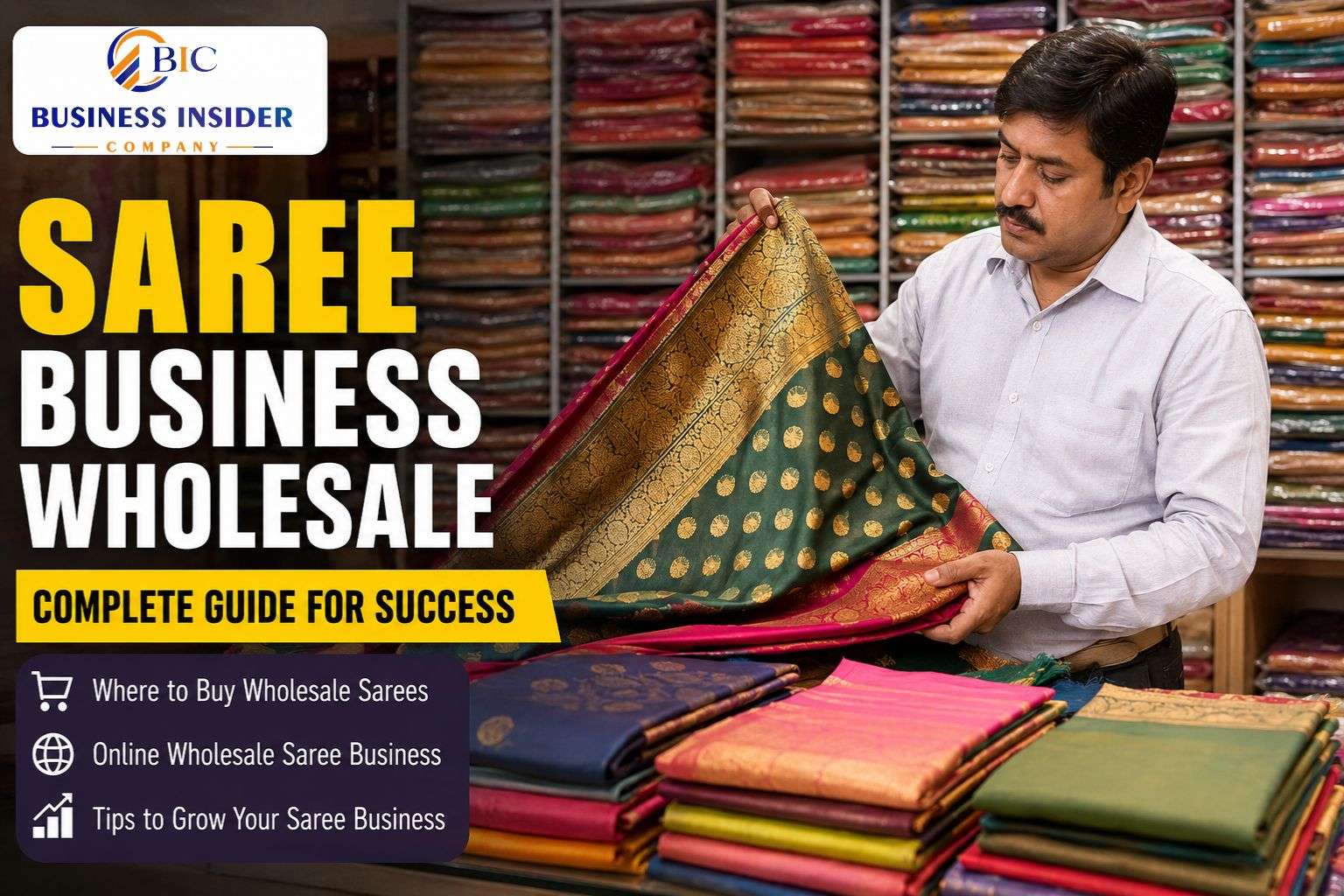
Saree Business Wholesale – Complete Guide for Success
May 11, 2026
India and sarees share a bond that feels timeless. No matter how much fashion evolves, sarees continue to dominate weddings, festivals, office wear, and even modern designer collections. That is exactly why the saree business wholesale industry is becoming one of the most profitable sectors in the Indian fashion market. From small boutique owners to Instagram resellers and ecommerce entrepreneurs, thousands of people are entering this market every year because demand never truly disappears. The beauty of this business lies in its flexibility. You can start from home, sell online, manage a retail outlet, or even supply directly to boutiques and resellers across India.
The numbers are also promising. According to recent industry reports, India’s saree market was valued at over USD 6 billion in 2025 and is expected to grow steadily through the next decade. This growth is fueled by digital shopping, rising fashion awareness, and increasing interest in traditional Indian wear among younger consumers. Cities like Surat, Kolkata, Jaipur, and Varanasi continue to dominate wholesale production because they offer variety, affordability, and quick manufacturing cycles. For anyone dreaming of entering fashion retail with lower investment and strong demand, the saree industry feels like a goldmine waiting to be explored.
Many new entrepreneurs today are also using platforms like Business Insider Company to explore textile and fashion business opportunities. The shift toward digital selling means you no longer need a massive showroom to succeed. A smartphone, supplier connection, and good marketing strategy can be enough to launch a successful brand. This is why the saree business wholesale market is attracting college students, homemakers, and experienced traders alike.
Why the Saree Industry Is Growing Rapidly in India
The saree industry has transformed dramatically over the last few years. Earlier, most saree purchases happened through local shops and seasonal exhibitions. Today, Instagram reels, WhatsApp catalogs, and ecommerce websites are influencing buying decisions faster than traditional advertisements ever could. Customers are now discovering regional designs from every corner of India without even leaving their homes. A woman in Delhi can buy Surat georgette sarees, Banarasi silk from Varanasi, or handloom cotton sarees from Bengal within minutes.
Industry research shows that online shopping and digital marketing are major reasons behind the expansion of the saree market. Younger consumers want trendy designs at affordable prices, while boutique owners constantly look for fresh inventory that can help them stand out from competitors. This growing appetite has created massive opportunities for wholesalers and resellers. Even small businesses can now compete with established stores by building a strong online presence and offering unique collections.
Another major reason for growth is affordability. Wholesale suppliers provide sarees at highly competitive prices, allowing resellers to earn good profit margins. A saree bought at wholesale rates for ₹500 can often be sold between ₹900 and ₹1800 depending on branding, presentation, and customer trust. That margin becomes even more attractive when selling designer or festive collections. This is why many entrepreneurs are choosing the saree business wholesale model instead of investing in expensive fashion categories with unpredictable demand.
Latest Market Trends in Saree Wholesale
Fashion trends in sarees are evolving quickly. Lightweight fabrics, digital prints, embroidered georgettes, pastel shades, and fusion draping styles are currently dominating the market. Surat especially has become famous for producing trendy partywear sarees in bulk at affordable prices. Retailers prefer Surat because manufacturers can quickly recreate trending designs with slight modifications, helping sellers stay ahead in a competitive market.
Consumers today also value authenticity. Reports suggest growing demand for genuine Banarasi silk, handloom sarees, and GI-tag products. Buyers are becoming smarter and more quality-conscious. They now check fabric feel, weaving style, zari work, and certifications before purchasing premium sarees online. This trend is pushing wholesalers to improve quality standards instead of focusing only on low pricing.
Social media has become another powerful trend driver. Viral reels showcasing saree draping styles or wedding collections can instantly boost demand for certain patterns. Sellers who understand visual marketing often outperform traditional wholesalers because customers are emotionally influenced by presentation. The saree industry today feels less like old-fashioned retail and more like a fast-moving digital fashion ecosystem.
Where to Buy Wholesale Sarees for Business
Finding reliable suppliers is the backbone of any profitable saree business. The success of your brand depends heavily on product quality, pricing, delivery speed, and collection variety. This is why entrepreneurs spend significant time researching where to buy wholesale sarees for business before launching their stores. India has several major textile hubs where retailers and resellers source bulk sarees at competitive rates.
Surat is undoubtedly the king of wholesale sarees. Known as India’s textile capital, Surat offers massive variety across georgette, chiffon, synthetic, partywear, and designer sarees. Manufacturers here operate at large scale, allowing them to provide affordable pricing even for trendy designs. The speed of production is another advantage. Sellers can restock popular collections quickly without waiting for long manufacturing cycles.
Varanasi dominates luxury silk sarees, especially Banarasi collections. Kolkata remains famous for cotton, handloom, and Bengali-style sarees. Jaipur and Ahmedabad also provide excellent options for printed and traditional designs. Each city specializes in specific fabric types and styles, which means sellers often source products from multiple markets to diversify their collections.
Top Saree Wholesale Markets in India
| Market | Famous For | Best For |
|---|---|---|
| Surat | Designer & Georgette Sarees | Fast-moving trendy collections |
| Varanasi | Banarasi Silk Sarees | Wedding & luxury collections |
| Kolkata | Cotton & Handloom Sarees | Ethnic and traditional wear |
| Jaipur | Printed Sarees | Affordable daily wear |
| Ahmedabad | Synthetic Sarees | Budget wholesale buying |
The demand for where to buy wholesale sarees for business searches has increased because new entrepreneurs want direct factory access instead of depending on middlemen. Direct sourcing reduces costs and improves profit margins significantly. Some suppliers even provide private labeling and customized catalogs for resellers.
Trusted Online Wholesale Platforms
The rise of ecommerce has made sourcing easier than ever. Entrepreneurs can now buy inventory without physically visiting markets. This is where wholesale saree for business online opportunities become extremely valuable. Online platforms offer catalogs, live videos, fabric details, and nationwide delivery options that save both time and travel expenses.
Many wholesalers today operate through websites, WhatsApp groups, and social media channels. Online sourcing is especially helpful for small businesses because it reduces startup costs. You do not need to spend money on market visits every month. Instead, you can analyze trending collections online and place orders directly from suppliers.
Reddit discussions also reveal how smaller resellers and boutique owners are building successful businesses through direct supplier connections from Surat and Tamil Nadu. Buyers consistently mention the importance of finding reliable manufacturers instead of random traders.
Wholesale Saree for Business Online
The biggest advantage of choosing wholesale saree for business online is scalability. Traditional stores are limited by location, rent, and local customer reach. Online businesses can target customers across India and even internationally. A reseller sitting at home in Surat can supply sarees to customers in Mumbai, Bangalore, Hyderabad, or overseas Indian communities.
Online buying also helps sellers compare prices easily. Instead of walking through crowded textile markets for hours, entrepreneurs can review multiple supplier catalogs within minutes. This speeds up decision-making and allows faster inventory planning. Many suppliers even provide low minimum order quantities, making it easier for beginners to start small and test the market.
Another huge advantage is trend tracking. Online wholesalers update collections constantly because fashion changes rapidly. If pastel organza sarees or digital floral prints start trending on Instagram, suppliers quickly adapt production. Sellers who stay updated with these trends often gain higher engagement and faster sales. This is why the wholesale saree for business online model continues expanding rapidly across India.
Benefits of Buying Sarees Online in Bulk
Buying online provides flexibility, convenience, and better market access. Sellers can source collections from different states without expensive travel. This also allows businesses to offer unique product mixes instead of selling repetitive local market designs. Customers appreciate variety, especially in fashion businesses where uniqueness drives emotional buying decisions.
Online suppliers also provide ready-made catalogs, product videos, and fabric descriptions. These marketing materials save resellers significant time because they can directly use them for promotions. Some wholesalers even support dropshipping models where sellers do not need to keep inventory physically. That approach reduces risk and makes the business more beginner-friendly.
Mistakes Beginners Make While Buying Online
One of the biggest mistakes beginners make is focusing only on cheap pricing. Low rates may sound attractive initially, but poor fabric quality can damage customer trust permanently. Many fake Banarasi or synthetic-look-alike products flood the market today. Smart entrepreneurs always check supplier credibility, sample quality, and customer reviews before placing large orders.
Another mistake is ignoring return policies and delivery timelines. Customers expect fast shipping and hassle-free support. Delayed deliveries or wrong products often lead to negative reviews that hurt online businesses badly. Successful sellers treat customer experience like a long-term investment rather than a short-term transaction.
Buy Sarees Online Wholesale for Business
If you want to buy sarees online wholesale for business, you need a strategy rather than random purchasing. Think of sourcing like building the foundation of a house. If the base is weak, everything above it becomes unstable. Choosing the right products, suppliers, and pricing model determines whether your business grows steadily or struggles constantly.
The first step is identifying your target audience. Are you selling bridal sarees, affordable daily wear, festive collections, or premium designer pieces? Your sourcing decisions should align with customer demand. A college audience may prefer lightweight affordable sarees, while boutique customers may seek premium embroidery and luxury fabrics.
Sellers also need to study profit margins carefully. Bulk buying helps reduce costs, but overstocking slow-moving designs can hurt cash flow. Smart businesses focus on trending collections with consistent demand. This balance between affordability and uniqueness is what separates successful resellers from struggling newcomers.
How to Choose the Right Saree Supplier
Reliable suppliers communicate clearly, maintain quality consistency, and offer transparent pricing. Before placing large orders, always request fabric videos, close-up images, and sample products. Fabric texture, zari quality, and stitching finish matter greatly in customer satisfaction.
A supplier should also provide timely restocking because fashion trends move quickly. Surat wholesalers especially are known for faster manufacturing cycles and repeat production capabilities. Businesses that can quickly replenish trending products often outperform slower competitors.
Many fashion entrepreneurs also explore accessories and jewelry categories to cross-sell products with sarees. You can naturally connect your fashion audience through this resource on saree business wholesale to increase average customer spending.
Pricing Strategies for Maximum Profit
Pricing is more psychological than mathematical. Customers rarely buy sarees only because they are cheap. They buy based on emotion, trust, design appeal, and presentation. This is why branding matters even for resellers.
| Saree Type | Average Wholesale Price | Retail Selling Range |
|---|---|---|
| Daily Wear Sarees | ₹300–₹600 | ₹700–₹1200 |
| Partywear Sarees | ₹700–₹1500 | ₹1800–₹4000 |
| Banarasi Silk Sarees | ₹2000–₹6000 | ₹5000–₹15000 |
| Organza Sarees | ₹800–₹2000 | ₹2200–₹5000 |
Businesses using storytelling and high-quality visuals often command higher pricing even with similar products. Customers love feeling emotionally connected to fashion purchases.
Online Wholesale Saree Business Growth Strategies
Running an online wholesale saree business successfully requires more than good inventory. Marketing, customer trust, branding, and digital visibility all play massive roles. The internet today is crowded with sellers, so standing out requires strategy and creativity.
Instagram remains one of the most powerful platforms for saree businesses. Reels showing draping styles, festive looks, and customer testimonials generate strong engagement. People love visual fashion content because it helps them imagine themselves wearing the product. Facebook groups and WhatsApp communities also work exceptionally well for resellers targeting regional audiences.
Search engine optimization is another major growth tool. Businesses that optimize blogs, product pages, and keywords can attract free Google traffic consistently. This is especially important because organic traffic reduces advertising costs over time. A well-written SEO blog can continue bringing visitors for months or even years.
Social Media Marketing for Saree Stores
Consistency matters more than perfection in social media marketing. Sellers should post daily outfit videos, styling tips, customer reviews, and trending collections. Influencer collaborations also help boost trust quickly. Even micro-influencers with smaller audiences can generate strong engagement if their followers are highly connected to ethnic fashion.
Live selling sessions have become extremely popular as well. Sellers showcase products in real-time, answer questions instantly, and create urgency through limited stock announcements. This interactive approach feels more personal and increases conversion rates significantly.
SEO Tips to Rank Your Saree Website Faster
SEO success depends on quality content, proper keyword placement, internal linking, and user-friendly website structure. Businesses targeting keywords like online wholesale saree business should naturally include them within meaningful content rather than stuffing them repeatedly.
Blogging consistently also improves authority. Educational articles about fabric types, saree styling, wedding trends, and shopping guides attract organic visitors who may later become customers. High-quality images, fast-loading pages, and mobile-friendly layouts further improve rankings.
How to Build Customer Trust in Saree Business
Trust is everything in fashion ecommerce. Customers cannot physically touch products before buying, so they rely heavily on visuals, reviews, and seller credibility. Businesses that focus on transparency usually grow faster through repeat customers and referrals.
Clear product photography is essential. Use natural lighting, multiple angles, and real draping images whenever possible. Customers want to see how the saree falls, shines, and looks when worn. Poor images often create hesitation even if the product quality is excellent.
Detailed product descriptions also matter. Mention fabric type, blouse details, length, wash care instructions, and delivery timelines clearly. This reduces confusion and improves buyer confidence significantly.
Product Photography and Catalog Creation
Professional photography does not always require expensive studios. Even smartphone cameras can create beautiful results with proper lighting and clean backgrounds. Consistent branding colors and layouts make catalogs look more trustworthy and premium.
Video catalogs are becoming especially important because customers prefer seeing movement and drape quality. Reels showing close-up embroidery or pallu details often increase conversions dramatically.
Return Policies and Customer Support
Customers feel safer buying when return policies are clear. Flexible exchange options reduce hesitation and encourage purchases. Responsive customer service also builds loyalty. Quick replies on WhatsApp or Instagram can turn casual inquiries into confirmed sales.
Businesses that prioritize customer experience usually survive long-term competition. Fashion trends may change constantly, but trust remains timeless.
Conclusion
The Indian saree industry continues evolving with technology, digital marketing, and changing consumer preferences. Whether you are starting small as a reseller or planning a large-scale retail brand, the opportunities within the saree business wholesale market are enormous. From Surat’s fast-moving textile hubs to online wholesale sourcing platforms, entrepreneurs today have more access to suppliers and customers than ever before.
Success in this industry comes from balancing quality, pricing, branding, and customer trust. Businesses that understand trends, build strong supplier relationships, and market creatively often grow rapidly even in competitive markets. The rise of ecommerce has removed many traditional barriers, allowing anyone with determination and strategy to enter the fashion business confidently.
The future of saree retail looks bright because sarees are more than garments. They represent culture, identity, celebration, and emotion. That emotional connection is exactly why this business continues thriving generation after generation.
FAQs
1. Which city is best for saree wholesale business in India?
Surat is considered the best city for saree wholesale because of its huge textile manufacturing network, affordable pricing, and fast production capabilities.
2. Is online saree business profitable in 2026?
Yes, online saree businesses remain highly profitable due to growing ecommerce demand, social media marketing, and increasing interest in ethnic fashion.
3. How much investment is needed to start a saree business?
A small saree resale business can start with ₹20,000–₹50,000, while larger wholesale operations may require significantly higher investment.
4. Where can I find trusted wholesale saree suppliers online?
You can source from Surat manufacturers, textile websites, WhatsApp supplier groups, and verified ecommerce wholesale platforms.
5. How can I increase sales in saree business?
Focus on social media marketing, SEO blogging, customer trust, quality photography, and trending collections to increase visibility and sales.
Start a profitable saree business wholesale model with trusted suppliers, online selling tips, and wholesale saree sourcing strategies in India.