

Lab Grown Diamond Jewelry Manufacturers: Designs, Prices, and a Complete Buying Guide
October 09, 2026
The jewelry industry is evolving as buyers look for beautiful, affordable, and responsibly produced diamond jewelry. Lab-grown diamonds have become an increasingly popular option for consumers, retailers, and jewelry businesses because they offer the optical and chemical properties of mined diamonds. Choosing reliable lab grown diamond jewelry manufacturers helps businesses source attractive designs, maintain consistent quality, and meet changing customer preferences.
Whether you operate a jewelry store, online business, or wholesale distribution company, understanding manufacturing processes, diamond certification, pricing, and supplier selection can help you make informed purchasing decisions.
Diamond Jewelry Manufacturers USA
The United States is an important market for diamond jewelry, with buyers seeking contemporary designs, personalized pieces, and high-quality craftsmanship. Diamond jewelry manufacturers USA may offer engagement rings, wedding bands, earrings, pendants, bracelets, and customized jewelry collections. Many businesses serve retailers through wholesale programs or private-label manufacturing services.
When comparing American manufacturers, examine their product range, production capabilities, minimum order quantities, delivery timelines, and return policies. Ask whether they provide independent diamond grading reports and detailed product specifications. These checks can help retailers choose suppliers that meet their target market's expectations.
Businesses sourcing jewelry internationally should also consider import duties, shipping insurance, customs documentation, and currency fluctuations before placing bulk orders.
Why Choose Lab Grown Diamond Jewelry Manufacturers?
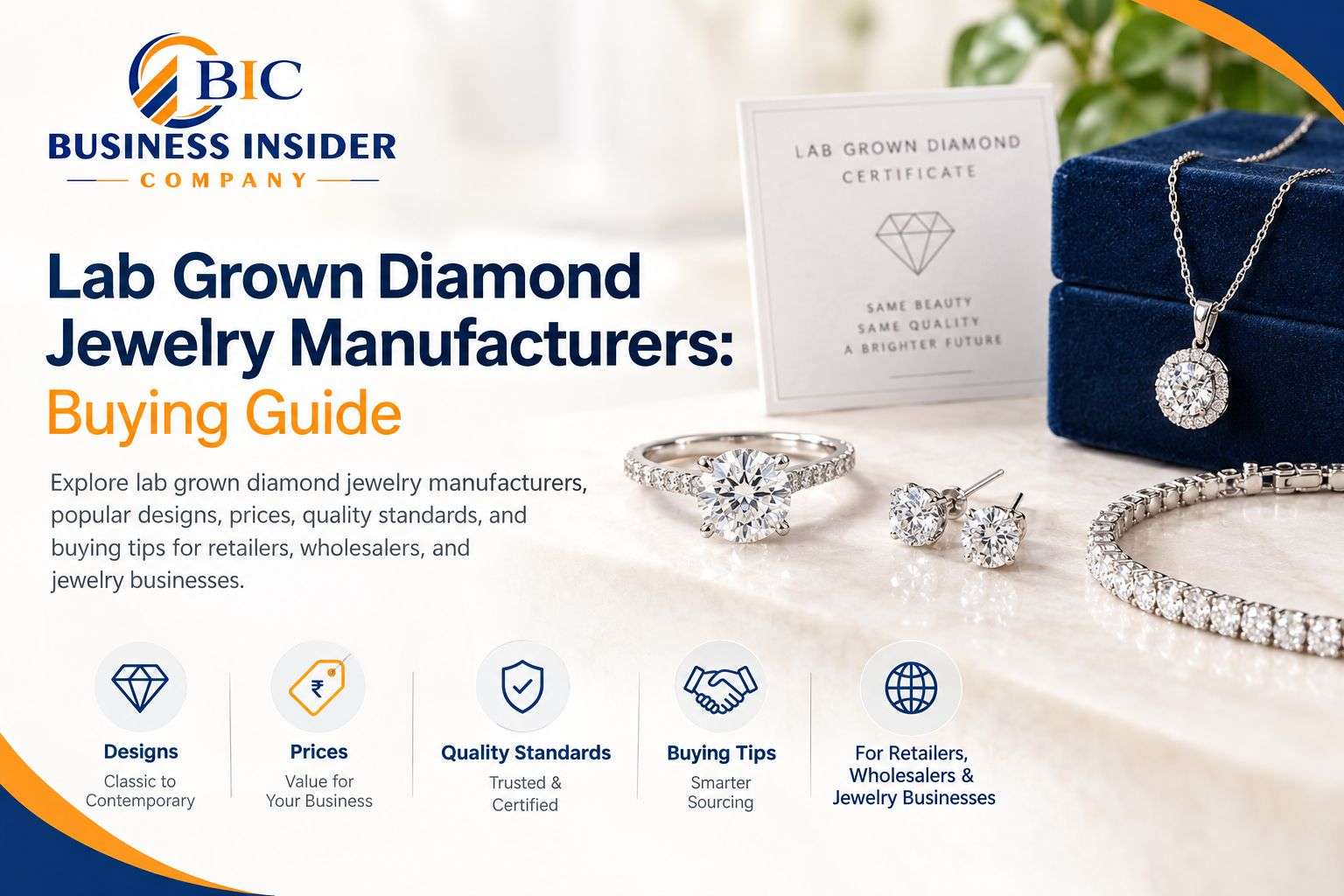
Working with experienced lab grown diamond jewelry manufacturers can help retailers develop collections for different customer preferences and price points. Manufacturers may offer classic solitaire rings, halo settings, tennis bracelets, diamond studs, and modern minimalist designs. Availability depends on the supplier's inventory and production capabilities.
Lab-grown diamonds are created using controlled technological processes, commonly high-pressure high-temperature (HPHT) or chemical vapor deposition (CVD). They have essentially the same chemical composition and crystal structure as natural diamonds, although their origins differ. Their appearance alone generally cannot establish whether a diamond is lab-grown or mined.
For jewelry businesses, supplier selection should involve more than comparing prices. Review metal purity, stone specifications, setting quality, finishing, after-sales support, and documentation. A reliable manufacturing partner can make it easier to maintain consistent product standards as your business grows.
Diamond Jewelry Exporter
A diamond jewelry exporter supplies jewelry to international markets and helps buyers access products manufactured in different regions. Exporters may offer finished jewelry, customized designs, wholesale collections, or private-label production. For retailers sourcing internationally, an experienced exporter can simplify communication, packaging, shipping, and export documentation.
Before working with an exporter, request a detailed quotation covering diamond characteristics, metal purity, stone setting, packaging, shipping charges, and applicable taxes. Confirm whether the quoted price includes certification and insurance. Buyers should also understand the supplier's policies for defective products, replacements, and delivery delays.
If you are researching jewelry suppliers and related business categories, explore jewelry and watch businesses to discover a relevant industry directory resource.
Natural Diamond Manufacturer
A natural diamond manufacturer typically works with mined diamonds and may specialize in cutting, polishing, grading coordination, or manufacturing finished diamond jewelry. Natural diamonds and lab-grown diamonds are distinct product categories because they have different origins, supply chains, and market pricing considerations.
Retailers should clearly communicate diamond origin to customers and ensure product descriptions accurately identify the stones being sold. When comparing natural and lab-grown diamond jewelry, evaluate carat weight, cut, color, clarity, metal type, craftsmanship, and certification.
For businesses offering both categories, transparent product labeling can build customer trust and reduce misunderstandings. Suppliers should provide accurate invoices and appropriate documentation that identifies the products being purchased.
Diamond Jewellery Price
The diamond jewellery price depends on several factors, including diamond size, cut quality, color, clarity, metal choice, setting design, craftsmanship, and brand positioning. Lab-grown diamonds may cost substantially less than comparable natural diamonds, but actual savings vary by product, supplier, and market conditions.
For example, a simple solitaire ring may have a different cost structure from an intricate halo ring or a diamond tennis bracelet. The total price can include the center stone, smaller accent stones, gold or platinum, manufacturing labor, finishing, certification, and packaging.
Retailers should request itemized quotations rather than comparing products by carat weight alone. Two diamonds with the same carat weight can differ in cut quality and other characteristics, affecting their appearance and price. Comparing equivalent specifications helps businesses estimate profit margins more accurately.
Diamond Jewellery Price in India
The diamond jewellery price in India varies according to diamond specifications, precious-metal rates, manufacturing costs, GST treatment, retailer margins, and the city or marketplace where the product is sold. Wholesale prices may differ from retail prices because of order volume, customization, and supplier policies.
Indian retailers should request current quotations in writing and confirm whether the quoted amount includes applicable taxes, certification, shipping, and packaging. Gold jewelry prices can change with market rates, so quotations should clearly state their validity period.
When buying in bulk, start with samples or a small trial order if the supplier permits it. Inspect the jewelry for secure settings, finishing quality, accurate metal markings, and consistency with the agreed specifications before committing to a larger purchase.
How to Select the Right Manufacturing Partner
Choosing among lab grown diamond jewelry manufacturers requires a practical evaluation of product quality, documentation, pricing, and business reliability. Ask potential suppliers about their manufacturing methods, customization options, production capacity, and quality-control procedures.
Request independent grading documentation from a recognized gemological laboratory when appropriate, and verify that the report corresponds to the specific diamond. Confirm that invoices clearly disclose the diamond's lab-grown origin and the precious-metal specifications.
Businesses can also research business and industry resources to explore information relevant to supplier discovery and commercial planning.
Consider these factors before placing an order:
-
Product quality: Check stone specifications, setting security, polishing, and metal purity.
-
Transparent pricing: Compare itemized quotations and identify additional charges.
-
Order flexibility: Confirm minimum quantities, sample availability, and customization terms.
-
Delivery reliability: Review production schedules, shipping arrangements, and insurance.
-
After-sales support: Understand repair, replacement, return, and warranty policies.
A careful evaluation can help jewelry businesses reduce purchasing risks and establish dependable supplier relationships.
Conclusion
The growing interest in lab-grown diamonds creates opportunities for jewelry retailers, wholesalers, and online sellers to develop collections for different budgets and design preferences. Understanding manufacturing processes, export requirements, product documentation, and pricing structures makes sourcing decisions more effective.
By comparing lab grown diamond jewelry manufacturers on quality, transparency, customization, and service, businesses can build collections that meet customer expectations while protecting their margins. Focus on verified specifications and clear supplier agreements instead of selecting a manufacturer based on price alone.
Ready to expand your jewelry business? Research suitable suppliers, request detailed quotations, compare samples, and verify product documentation before placing your next order. A well-informed sourcing strategy can help you build customer confidence and develop a competitive jewelry collection.