

Indian Civil Accounts Service: Explore Eligibility, Salary, Responsibilities, Exam Process and Career Opportunities
October 10, 2026
Indian Civil Accounts Service: Eligibility, Salary and Career Opportunities
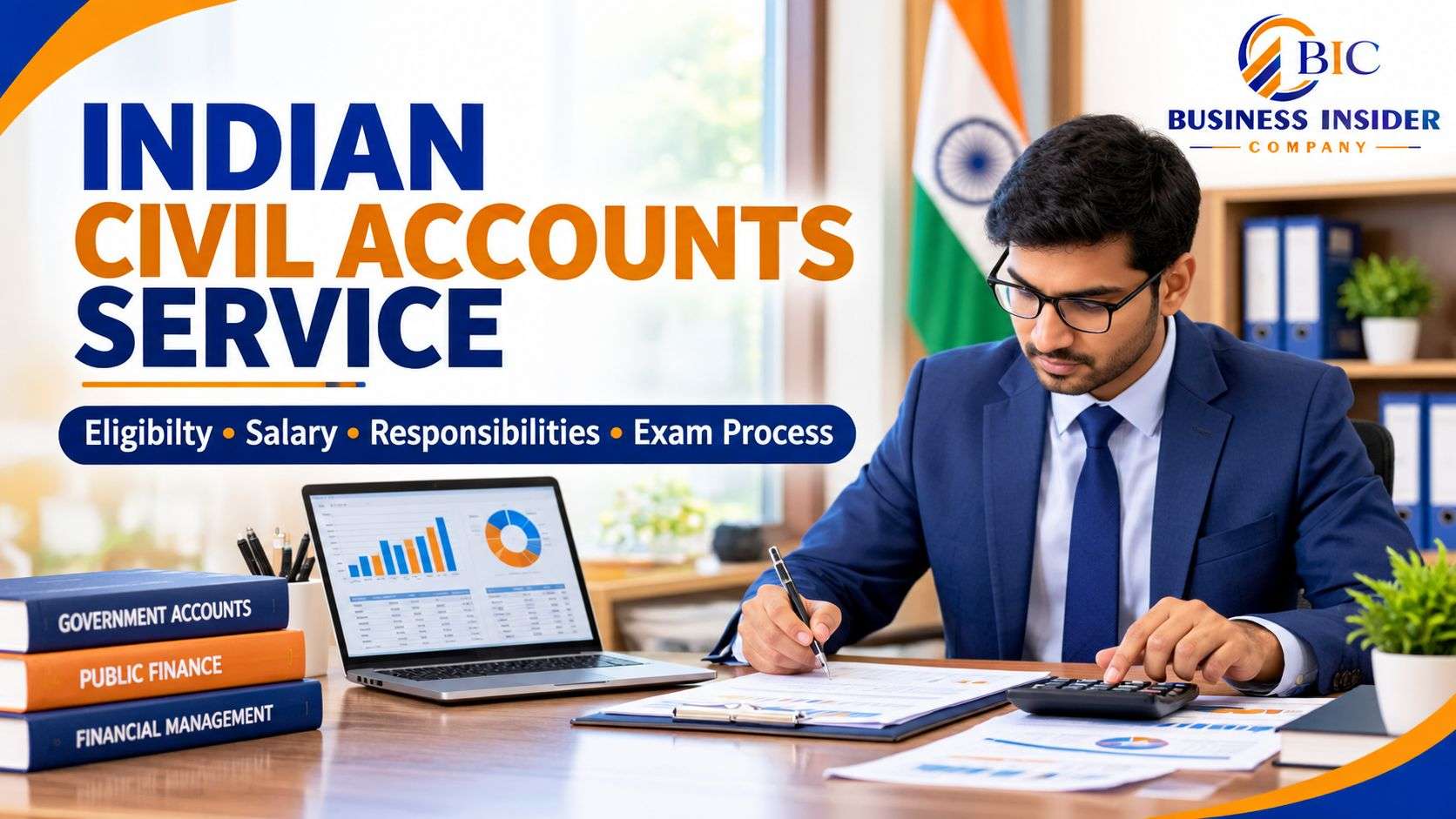
The Indian Civil Accounts Service is a central government service focused on public financial management, government accounting, payments, and financial reporting. It offers a career path for candidates interested in finance, administration, public expenditure, and transparent management of government funds.
For graduates preparing for competitive examinations, understanding the service's eligibility requirements, recruitment process, responsibilities, and career progression is an important first step. Candidates should also understand how it differs from other financial and accounts-related services before choosing their career goals.
What Is the Indian Civil Accounts Service?
The Indian Civil Accounts Service (ICAS) is a Group A Central Civil Service under the Ministry of Finance, Government of India. Its officers work within the government accounting framework and support the accurate recording, monitoring, and reporting of public funds.
The service plays an important role in maintaining government accounts, processing authorized payments, preparing financial statements, and supporting financial accountability across ministries and departments. Its work helps government organizations understand how public money is received, allocated, and spent.
Candidates interested in this career should consult the official Ministry of Finance and recruitment information to understand the service's current structure and entry requirements.
Eligibility Criteria and Recruitment Process
Candidates interested in the Indian Civil Accounts Service should verify the latest applicable recruitment rules and official examination notification before applying.
Educational Qualification
Recruitment to central civil services through the UPSC Civil Services Examination generally requires a recognized bachelor's degree, subject to the examination's official eligibility rules. A degree in commerce, economics, accounting, or finance can provide useful background knowledge, but candidates should not assume that a particular specialization is compulsory unless the applicable rules specify it.
Age Limit and Other Conditions
The UPSC Civil Services Examination has prescribed age limits, nationality requirements, and category-based relaxations. These conditions can change or vary according to the applicable rules and candidate category.
Before beginning preparation, review the current UPSC notification to confirm the minimum and maximum age, permitted attempts, educational requirements, and any applicable relaxations.
How the Recruitment Process Works
Candidates should check whether the relevant service is available through the applicable Civil Services Examination allocation process for their recruitment year. Where applicable, the process generally involves:
-
The Civil Services Preliminary Examination.
-
The Civil Services Main Examination.
-
The Personality Test or interview.
-
Final ranking, service allocation, and other prescribed formalities.
Clearing an examination does not automatically guarantee allocation to a particular service. Allocation depends on factors such as rank, preferences, vacancies, eligibility, and the rules applicable to that recruitment cycle.
Key Responsibilities and Daily Work
Officers perform financial and accounting functions that help ministries maintain accurate records and comply with government financial procedures. Their work can include:
-
Maintaining and consolidating government accounts.
-
Reviewing payment claims and expenditure records.
-
Supporting budget monitoring and financial reporting.
-
Conducting or coordinating internal audit functions.
-
Improving digital accounting processes and financial controls.
-
Advising departments on accounting procedures and financial management.
The Controller General of Accounts oversees important aspects of the central government's accounting system, including the Public Financial Management System (PFMS). These responsibilities support transparency and accountability in the use of public funds.
CGA
+2
Salary, Allowances and Career Progression
Salary depends on the officer's post, pay level, experience, and applicable government rules. Officers may receive eligible allowances and benefits according to the prevailing central government service regulations.
The career hierarchy includes positions such as Assistant Controller of Accounts, Controller of Accounts, Chief Controller of Accounts, and senior leadership roles. Promotion depends on service rules, experience, vacancies, and other prescribed conditions.
CGA+1
For candidates researching government finance careers, the Indian Civil Accounts Service is a useful topic to explore alongside official information about public administration and financial management.
Indian Defence Accounts Service: How Does It Differ?
The indian defence accounts service focuses on accounting, payments, financial advice, and audit-related responsibilities associated with defence establishments and the Ministry of Defence. Although both services involve public finance, their administrative environments and departmental responsibilities differ.
When comparing the indian defence accounts service with ICAS, candidates should consider the departments served, nature of financial work, career structure, and applicable recruitment and allocation rules. Consult official government sources rather than relying solely on general career comparisons.
Indian Cost Accounts Service and Related Finance Careers
The indian cost accounts service is associated with professional cost accounting and cost examination functions in government. It is distinct from the Indian Civil Accounts Service, which focuses on government accounting and financial management. Candidates should research the eligibility and recruitment rules applicable to each service.
The indian cost accounts service may interest candidates exploring costing, financial analysis, and cost-accounting work. A background in commerce, accounting, or finance can help develop relevant knowledge, although the required qualifications depend on the particular recruitment rules.
For readers exploring private-sector career options, ecommerce account management services typically involve managing online business accounts, product listings, sales performance, customer issues, and marketplace operations. These roles are different from government accounting positions.
Businesses may use ecommerce account management services to improve their online operations and monitor commercial performance. Readers researching business and professional resources can also visit the Business Insider Company website for further information.
Indian Railway Accounts Service and Demat Accounts
The indian railway accounts service is associated with the financial administration and accounting functions of Indian Railways. Its operational setting differs from the ministry-wide accounting responsibilities of ICAS. Candidates comparing the two should examine their official service profiles and recruitment arrangements.
The indian railway accounts service may appeal to candidates interested in public-sector finance within the railway system. However, the duties, cadre structure, and available opportunities should be confirmed through official government information.
A basic service demat account is a separate financial-market concept. A demat account holds securities electronically, while a basic service demat account is a category of demat account subject to specified eligibility and fee conditions. It is not a government accounting post or a civil service qualification.
Understanding a basic service demat account can help readers distinguish personal investment services from public financial administration. These topics involve different responsibilities, rules, and professional pathways.
How to Prepare for a Career in Government Accounts
Candidates interested in this field should begin by understanding the examination syllabus and eligibility conditions. Build a study plan that covers current affairs, general studies, analytical skills, and answer-writing practice where relevant to the examination.
Useful preparation steps include:
-
Read the latest UPSC Civil Services Examination notification.
-
Review the official service profile and applicable recruitment rules.
-
Practise previous examination papers and mock tests.
-
Develop a strong understanding of economics, public finance, and government administration.
-
Follow official announcements regarding results, service allocation, and training.
The UPSC official examination website provides examination notifications and related updates. Recruitment details can change between examination cycles, so always verify the latest official documents before making decisions.
UPSC
+2
Conclusion: Plan Your Government Finance Career
The Indian Civil Accounts Service offers a professional path for candidates interested in public finance, government accounting, financial reporting, and administration. Understanding eligibility, recruitment, responsibilities, salary structure, and career progression can help aspirants make informed decisions.
Related fields such as defence accounts, cost accounting, railway finance, ecommerce account management, and demat services offer different career or financial opportunities. Research each field carefully and rely on official notifications for recruitment-related decisions.
Call to Action
Ready to explore a career in government finance? Check the latest UPSC notifications, review the applicable eligibility criteria, and start preparing with a structured study plan. Research official service profiles before selecting your career preferences, and take your next step toward a well-informed career decision.