

Cotton Saree Manufacturers: Explore Top Manufacturing Hubs, Types, Prices and Buying Tips
October 13, 2026
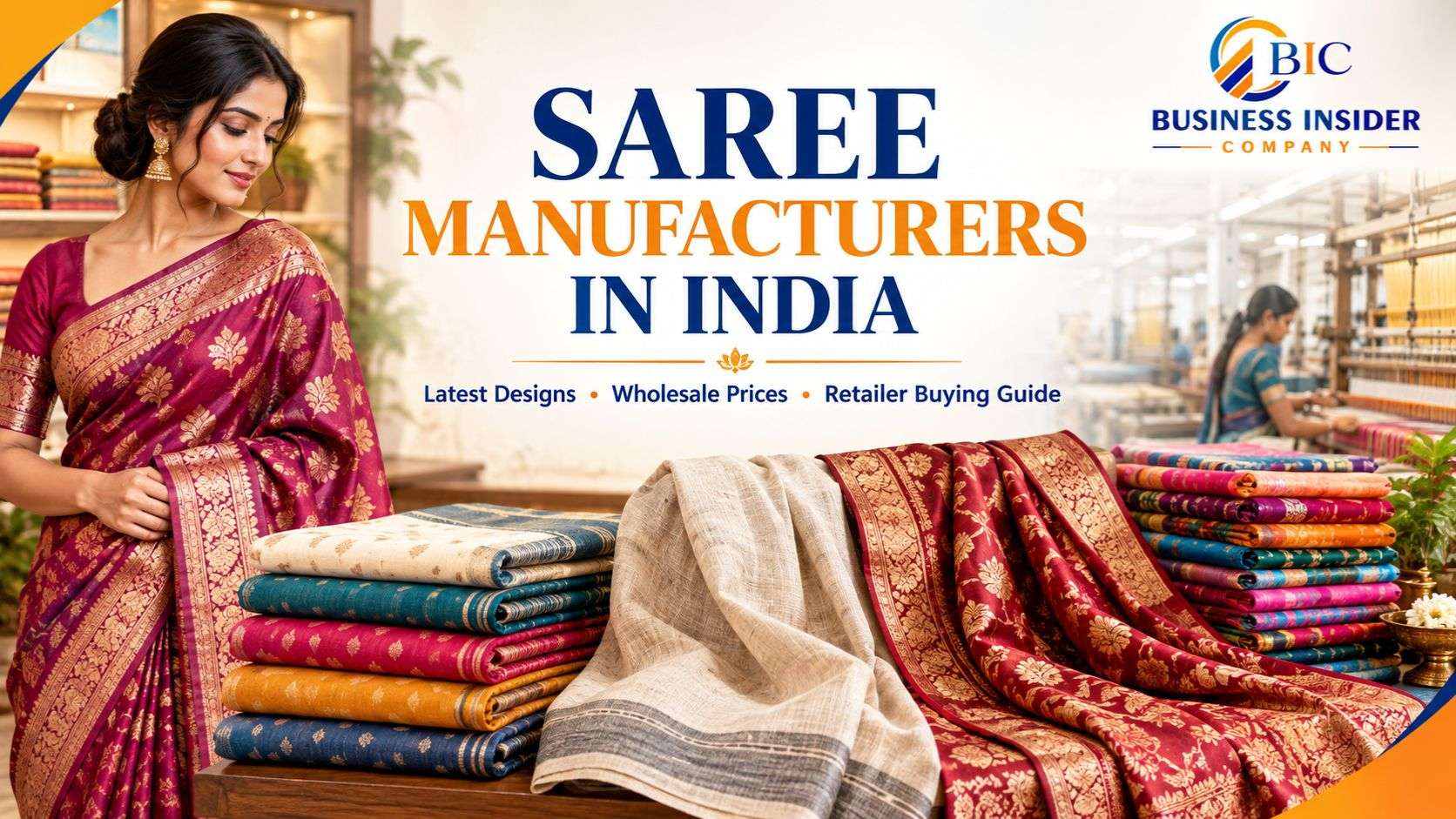
India has a rich textile heritage, and sarees remain an important part of traditional fashion, festive dressing, weddings, and everyday wear. From lightweight cotton sarees to luxurious linen and intricately woven Banarasi designs, retailers have many options to build a diverse product collection. Choosing the right saree manufacturers in India can help retailers maintain product quality, manage purchasing costs, and meet changing customer preferences.
For boutique owners, resellers, and wholesale buyers, understanding fabric varieties, manufacturing locations, pricing factors, and supplier selection is essential. This guide explores popular saree categories, important sourcing hubs, and practical tips to help businesses make informed purchasing decisions.
Understanding Cotton Saree Manufacturers
Cotton saree manufacturers produce sarees using different cotton fabrics, weaving techniques, prints, and finishing methods. These sarees are popular because many varieties offer breathability, comfort, and versatility for everyday wear, office use, and casual occasions.
Retailers can explore plain cotton sarees, handloom designs, printed collections, traditional motifs, and contemporary patterns. Each category attracts a different customer segment, so selecting a balanced assortment can help a store appeal to a wider audience.
When evaluating manufacturers, check fabric composition, colour consistency, stitching and finishing, and shrinkage information. Ask for product photographs or samples before placing a large order. Comparing these details helps buyers assess whether a collection meets their customers' expectations.
Explore Pure Linen Sarees Manufacturers
Pure linen sarees manufacturers serve buyers looking for elegant sarees with a distinctive texture and refined appearance. Linen sarees are often chosen for their lightweight feel, natural texture, and understated style, although the final characteristics depend on the fabric composition and construction.
Retailers should verify whether a product is made from pure linen or a linen blend. Product descriptions, fabric labels, and supplier specifications can help avoid confusion when comparing collections.
Linen sarees may appeal to premium boutiques, customers seeking minimalist fashion, and shoppers looking for sophisticated outfits. Stocking a carefully selected range alongside cotton and printed sarees can create variety without relying on a single product category.
3. Important Saree Manufacturing Hubs in India
India has several textile centres known for different saree styles, weaving traditions, printing methods, and commercial supply networks. The right location depends on the designs, fabric types, quantities, and prices a retailer wants to source.
Surat: A Major Commercial Sourcing Centre
Surat is widely associated with textile trading, synthetic fabrics, printed sarees, embroidered designs, and large-scale distribution. Buyers can explore different price segments and collections suitable for everyday retail, festive occasions, and special events.
When comparing suppliers, ask about available stock, minimum order quantities, dispatch schedules, return policies, and product consistency. Businesses exploring saree manufacturers in India can also investigate Surat suppliers to compare collections and wholesale purchasing options.
Banaras: Traditional Weaving and Decorative Designs
Banaras, also known as Varanasi, is particularly recognised for its traditional silk weaving and brocade sarees. These products are commonly associated with weddings, festivals, celebrations, and formal occasions.
The banaras wholesale saree market can be a useful sourcing destination for buyers interested in traditional woven designs. Before ordering, verify the fabric composition, weaving details, zari specifications, and whether the product is handwoven or powerloom-produced.
Retailers should request clear product descriptions and invoices so that the sarees can be accurately represented to customers.
Popular Saree Categories for Wholesale Buyers
A well-planned saree collection can include several fabric types and price segments. Cotton sarees suit everyday shopping needs, while linen styles can serve customers seeking understated elegance. Printed, embroidered, silk, and festive sarees help retailers diversify their collections.
Before purchasing, assess local demand and consider seasonal requirements. For example, festive and wedding collections may need different colours and embellishments from everyday collections. Small trial orders can help businesses identify popular designs before committing to larger quantities.
Working with established saree manufacturers in India may also help buyers compare different categories, provided the supplier offers transparent specifications and dependable service.
Understanding Sarees Wholesale Price
The sarees wholesale price depends on several factors, including fabric quality, weaving method, printing technique, embroidery, embellishments, finishing, order quantity, packaging, and transportation.
Basic printed cotton sarees may occupy a different price segment from premium linen, silk, or heavily embroidered products. Prices can also vary between suppliers because their sourcing arrangements, production costs, and product specifications differ.
For an accurate comparison, request quotations for similar products rather than comparing sarees based only on photographs. Ask suppliers to clarify whether quoted prices include taxes, packaging, shipping, and any additional charges.
Retailers should calculate the full landed cost before setting selling prices. Consider payment fees, delivery expenses, expected discounts, and potential unsold inventory. This approach provides a more realistic picture of profitability than looking at the purchase price alone.
Choosing a Surat Sarees Wholesale Factory
A surat sarees wholesale factory may be suitable for retailers seeking access to a broad range of commercially produced sarees and textile collections. However, choosing a supplier requires more than finding an attractive catalogue or a low quotation.
Use the following checklist when assessing a potential partner:
-
Product quality: Request samples and inspect the fabric, colour, finishing, and overall workmanship.
-
Pricing transparency: Obtain a written quotation with applicable charges and quantity-based rates.
-
Order requirements: Confirm minimum quantities, available sizes or designs, and stock availability.
-
Delivery arrangements: Check dispatch timelines, packaging standards, and shipping costs.
-
Business reliability: Review invoices, communication, replacement policies, and supplier references where available.
These checks help reduce sourcing risks and make supplier comparisons more practical. Retailers can also explore relevant information about the textile business to understand the wider industry and its commercial opportunities.
Practical Buying Tips for Retailers
Before placing a bulk order, define your target customer, preferred price range, and expected sales volume. Compare multiple quotations and request samples whenever possible. Maintain records of supplier details, product specifications, purchase costs, and delivery performance.
Start with a manageable assortment instead of investing heavily in untested designs. Track which fabrics, colours, and patterns receive the most customer interest, then use those insights to guide future purchases.
Retailers can also follow updates and business information through Business Insider Company as part of their broader research into textile sourcing and commercial opportunities.
When working with saree manufacturers in India, clear communication is particularly important. Confirm design codes, quantities, fabric details, payment terms, and delivery dates in writing before finalising an order.
Conclusion: Build a Better Saree Wholesale Collection
Successful saree sourcing involves balancing product quality, customer demand, purchase costs, and supplier reliability. Cotton, linen, printed, and traditional woven sarees each offer different opportunities for retailers looking to develop a competitive collection.
By comparing suppliers, understanding manufacturing hubs, verifying fabric details, and calculating total purchasing costs, businesses can make more informed decisions. A careful sourcing strategy can support customer satisfaction while helping retailers manage inventory and improve purchasing efficiency.
Call to Action
Are you planning to expand your saree collection or source products for your retail business? Start by identifying your target customers, comparing wholesale quotations, and requesting samples from potential suppliers. Choose products that match your budget and quality requirements, and build your collection around designs your customers are most likely to purchase.